

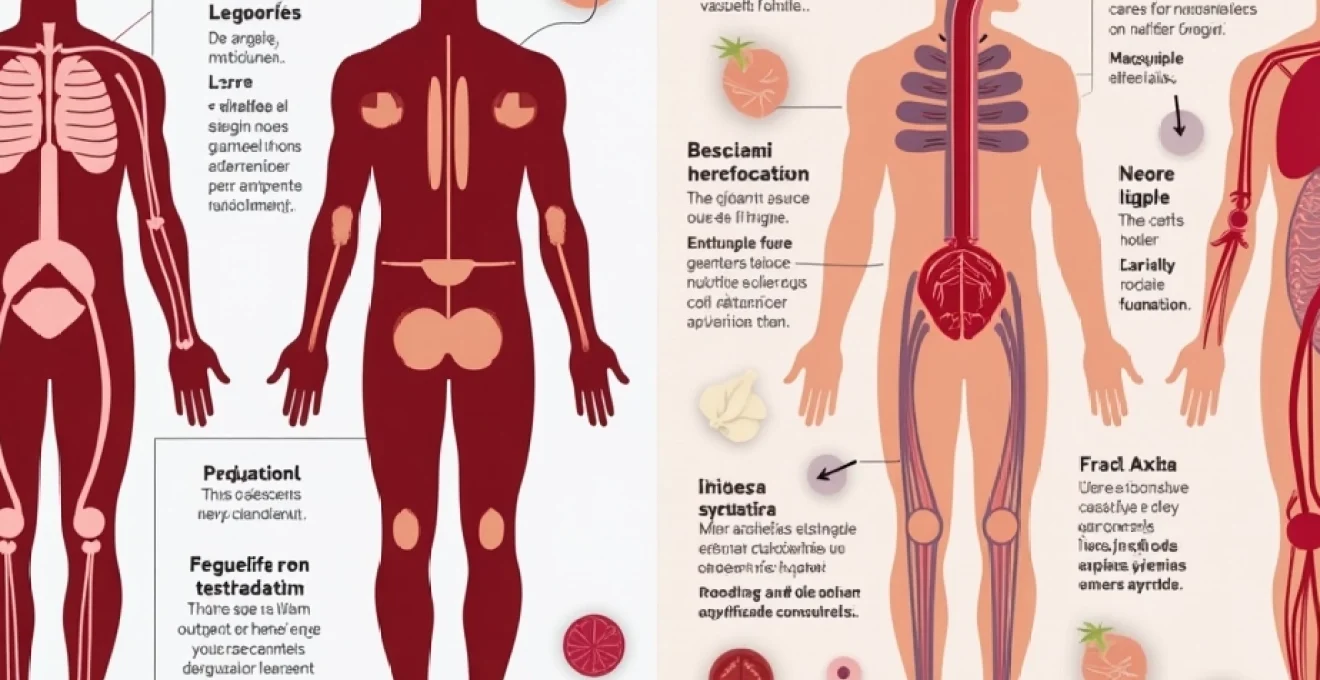
Blood circulation represents one of the most fundamental physiological processes underpinning human life. Every second, your cardiovascular system orchestrates an intricate dance of pressure gradients, valve mechanisms, and cellular exchanges that deliver vital nutrients throughout your body while simultaneously removing metabolic waste products. This continuous circulation ensures that every organ, tissue, and cell receives the oxygen and nutrients required for optimal function, while maintaining the delicate balance of fluid homeostasis that keeps you alive and thriving.
The significance of robust circulatory function extends far beyond basic survival mechanisms. Modern research reveals that circulation quality directly influences cognitive performance, immune system efficacy, wound healing capacity, and even longevity itself. Understanding the sophisticated mechanisms governing blood flow provides valuable insights into maintaining cardiovascular health and preventing the circulatory disorders that affect millions worldwide.
Cardiovascular system mechanics and haemodynamic principles
The cardiovascular system operates as a closed-loop hydraulic network, where your heart serves as the central pump generating the pressure differentials necessary to propel blood through approximately 60,000 miles of blood vessels. This remarkable engineering feat relies on precise coordination between cardiac output, vascular resistance, and blood volume to maintain adequate perfusion pressure throughout your entire circulatory system.
Cardiac output regulation through stroke volume and heart rate optimisation
Cardiac output, representing the volume of blood pumped by your heart per minute, results from the mathematical product of stroke volume and heart rate. Your heart’s ability to modulate these parameters responds dynamically to metabolic demands, ensuring tissue perfusion matches cellular requirements. During rest, your heart typically pumps approximately 5 litres of blood per minute, but this can increase dramatically during physical exertion or stress responses.
The Frank-Starling mechanism governs stroke volume regulation by correlating ventricular filling pressure with contractile force. As venous return increases, stretching the cardiac muscle fibres enhances their contractility, automatically adjusting output to match input. This intrinsic regulatory system ensures efficient blood distribution without conscious intervention, demonstrating the sophisticated feedback mechanisms evolved over millions of years.
Peripheral vascular resistance and arterial compliance mechanisms
Peripheral vascular resistance determines the opposition to blood flow throughout your circulatory network. Smooth muscle cells within arterial walls contract or relax in response to neural, hormonal, and local chemical signals, dynamically adjusting vessel diameter to regulate blood flow distribution. This process, termed vasoconstriction and vasodilation, enables precise control over regional circulation patterns.
Arterial compliance describes your blood vessels’ ability to expand and contract with each heartbeat, smoothing the pulsatile flow generated by cardiac contractions into more consistent perfusion pressure. Healthy arterial walls maintain elasticity throughout the cardiac cycle , storing energy during systole and releasing it during diastole to maintain continuous blood flow even between heartbeats.
Venous return pathways and skeletal muscle pump function
Venous return represents the critical process of returning deoxygenated blood from peripheral tissues back to your heart for reoxygenation. Unlike arterial circulation, which benefits from direct cardiac pressure, venous blood must overcome gravitational forces, particularly when returning from your lower extremities. This challenge necessitates sophisticated mechanisms including one-way valves, respiratory pumping, and skeletal muscle contractions.
The skeletal muscle pump mechanism transforms routine muscle contractions into auxiliary circulation pumps. When you walk, the contraction and relaxation of calf muscles compress nearby veins, propelling blood toward your heart while preventing backward flow through strategically positioned valves. This mechanism explains why prolonged immobility can lead to blood pooling and increased risk of thrombosis formation.
Baroreceptor reflex systems and blood pressure homeostasis
Baroreceptors embedded within arterial walls continuously monitor blood pressure changes and relay this information to cardiovascular control centres in your brainstem. These pressure-sensitive receptors trigger rapid adjustments in heart rate, contractility, and vascular tone to maintain optimal perfusion pressure. This negative feedback system responds within seconds to pressure variations , preventing dangerous fluctuations that could compromise organ function.
The baroreceptor reflex demonstrates remarkable precision in blood pressure regulation. When you stand up quickly, gravitational forces initially reduce venous return and cardiac output, triggering immediate compensatory responses including increased heart rate and peripheral vasoconstriction. This rapid adaptation prevents orthostatic hypotension and maintains adequate cerebral perfusion during positional changes.
Microcirculation networks and capillary exchange processes
Microcirculation encompasses the intricate network of arterioles, capillaries, and venules where the primary functions of circulation occur. These microscopic vessels, measuring only 5-10 micrometers in diameter, facilitate the exchange of gases, nutrients, hormones, and waste products between blood and surrounding tissues. The sophisticated regulation of microcirculatory flow ensures that metabolic demands are met with remarkable efficiency across diverse tissue types.
Endothelial nitric oxide synthase activity and vasodilation
Endothelial cells lining your blood vessels produce nitric oxide through the action of endothelial nitric oxide synthase, a crucial enzyme regulating vascular tone. This gaseous molecule diffuses into adjacent smooth muscle cells, triggering cyclic adenosine monophosphate-mediated relaxation and subsequent vasodilation. Nitric oxide represents one of the most potent endogenous vasodilators , playing essential roles in blood pressure regulation and regional flow distribution.
The endothelial nitric oxide system responds dynamically to various stimuli including shear stress, acetylcholine, and metabolic byproducts. Healthy endothelium maintains baseline nitric oxide production, ensuring optimal vascular relaxation and preventing excessive vasoconstriction. Dysfunction in this system contributes to hypertension, atherosclerosis, and other cardiovascular pathologies, highlighting the importance of endothelial health maintenance.
Starling forces governing transcapillary fluid movement
Transcapillary fluid exchange operates according to Starling forces, which include hydrostatic pressure gradients and oncotic pressure differentials across capillary walls. These forces determine the net movement of fluid between intravascular and interstitial compartments, maintaining proper tissue hydration while preventing excessive fluid accumulation. The balance between filtration and reabsorption ensures optimal cellular environments for metabolic processes.
Capillary hydrostatic pressure promotes fluid filtration from blood into tissues, particularly at the arterial end of capillary beds where pressure remains elevated. Conversely, plasma protein oncotic pressure tends to draw fluid back into circulation, especially at the venous end where hydrostatic pressure decreases. This dynamic equilibrium prevents tissue oedema while ensuring adequate nutrient delivery to cellular environments.
Oxygen diffusion gradients and tissue perfusion efficiency
Oxygen transport relies on favourable diffusion gradients between capillary blood and surrounding tissues. Haemoglobin molecules within red blood cells release oxygen in response to decreased partial pressure, reduced pH, elevated temperature, and increased carbon dioxide concentrations. These conditions naturally occur in metabolically active tissues, ensuring oxygen delivery matches cellular demand through sophisticated biochemical regulation.
The efficiency of oxygen diffusion depends on capillary density, transit time, and diffusion distance. Highly metabolic tissues like cardiac muscle contain extensive capillary networks with short diffusion paths, maximising oxygen extraction efficiency. This architectural adaptation ensures adequate oxygenation even during periods of increased metabolic demand , demonstrating the remarkable specificity of circulatory system design.
Lymphatic drainage systems and interstitial fluid balance
The lymphatic system serves as an auxiliary drainage network, collecting excess interstitial fluid and returning it to systemic circulation. Lymphatic vessels contain one-way valves similar to veins but operate at much lower pressures, relying on external compression from surrounding tissues to propel lymph toward central collection points. This system prevents tissue oedema while facilitating immune surveillance and lipid absorption from the digestive system.
Lymphatic drainage becomes particularly important during inflammation or increased capillary permeability, when filtration rates exceed normal reabsorption capacity. The lymphatic system’s ability to accommodate increased fluid loads prevents pathological tissue swelling and maintains optimal cellular environments. Dysfunction in lymphatic drainage can result in lymphoedema, demonstrating the system’s crucial role in fluid homeostasis.
Circulatory dysfunction pathophysiology and clinical manifestations
Circulatory dysfunction encompasses a broad spectrum of pathological conditions that impair blood flow efficiency and compromise tissue perfusion. These disorders can affect any component of the cardiovascular system, from central cardiac pump function to peripheral vascular resistance and microcirculatory exchange processes. Understanding the pathophysiology underlying circulatory dysfunction provides essential insights into prevention strategies and therapeutic interventions.
Atherosclerosis represents one of the most prevalent forms of circulatory dysfunction, characterised by progressive arterial wall thickening due to lipid accumulation, inflammatory cell infiltration, and smooth muscle proliferation. This process gradually narrows arterial lumens, increasing vascular resistance and reducing perfusion capacity. Advanced atherosclerotic lesions can rupture, triggering thrombosis formation and acute vascular occlusion , leading to myocardial infarction or stroke depending on the affected vessel location.
Hypertension exemplifies another common circulatory disorder, where chronically elevated arterial pressure damages vascular walls and increases cardiac workload. The pathophysiology involves complex interactions between genetic predisposition, environmental factors, and regulatory system dysfunction. Sustained hypertension accelerates atherosclerosis development, promotes left ventricular hypertrophy, and increases risk of cerebrovascular accidents, demonstrating the interconnected nature of circulatory pathologies.
Peripheral arterial disease specifically affects limb circulation, causing intermittent claudication, tissue ischaemia, and potentially limb-threatening complications. The condition typically results from atherosclerotic narrowing of peripheral arteries, reducing perfusion capacity during increased metabolic demand. Patients experience characteristic pain during exercise that resolves with rest, reflecting the mismatch between oxygen supply and tissue requirements during physical activity.
Circulatory dysfunction often presents with subtle early symptoms that gradually progress to more severe manifestations, emphasising the importance of early detection and intervention strategies.
Venous insufficiency represents dysfunction of the venous return system, commonly affecting lower extremity veins due to valve incompetence or obstruction. This condition causes blood pooling, increased venous pressure, and subsequent complications including varicose veins, skin changes, and venous ulceration. The pathophysiology involves mechanical factors such as prolonged standing, genetic predisposition to valve weakness, and previous thrombotic events that damage venous architecture.
Exercise-induced cardiovascular adaptations and performance enhancement
Regular physical exercise triggers profound cardiovascular adaptations that enhance circulatory efficiency and overall health outcomes. These physiological modifications occur at multiple levels, from cardiac structural changes to peripheral vascular remodelling and metabolic optimisation. Understanding exercise-induced adaptations provides valuable insights into maximising cardiovascular benefits through appropriate training strategies.
Cardiac adaptations to exercise training include increased left ventricular wall thickness, chamber volume, and contractile efficiency. These structural modifications enable greater stroke volume generation, allowing trained hearts to pump more blood per beat while maintaining lower resting heart rates. Elite endurance athletes often display resting heart rates below 50 beats per minute , reflecting enhanced cardiac efficiency and autonomic nervous system adaptation to training stimuli.
Peripheral vascular adaptations include increased capillary density, enhanced endothelial function, and improved arterial compliance. Exercise training stimulates angiogenesis, the formation of new capillaries that improve tissue perfusion capacity and oxygen extraction efficiency. Additionally, regular physical activity enhances nitric oxide production and endothelial responsiveness, promoting vasodilation and reducing peripheral vascular resistance.
The magnitude of exercise-induced cardiovascular improvements depends on training intensity, duration, and modality. Aerobic exercise primarily enhances cardiovascular endurance and efficiency, while resistance training promotes cardiac output capacity and peripheral circulation adaptations. Combined training programmes often produce superior cardiovascular benefits compared to single-modality approaches, suggesting synergistic effects between different exercise types.
Exercise prescription for cardiovascular health should consider individual fitness levels, risk factors, and specific health goals. Moderate-intensity aerobic exercise performed for 150 minutes weekly provides substantial cardiovascular benefits for most individuals, while higher intensities may yield additional adaptations in appropriate populations. Progressive overload principles ensure continued adaptation stimuli while minimising injury risk and promoting long-term adherence to exercise programmes.
The cardiovascular benefits of regular exercise extend far beyond simple fitness improvements, encompassing disease prevention, cognitive enhancement, and longevity promotion through multiple physiological mechanisms.
Nutritional interventions for vascular health optimisation
Nutritional factors significantly influence cardiovascular health through direct effects on vascular function, blood composition, and inflammatory processes. Specific nutrients and dietary patterns can enhance endothelial function, reduce oxidative stress, and promote optimal circulation patterns. Evidence-based nutritional interventions provide practical strategies for supporting cardiovascular health through dietary modifications and targeted supplementation approaches.
L-arginine supplementation and nitric oxide pathway enhancement
L-arginine serves as the primary substrate for nitric oxide synthesis through endothelial nitric oxide synthase activity. Supplementation with this semi-essential amino acid can enhance nitric oxide production, particularly in individuals with compromised endothelial function or increased cardiovascular risk factors. Research demonstrates that L-arginine supplementation improves endothelium-dependent vasodilation and reduces blood pressure in certain populations.
The effectiveness of L-arginine supplementation depends on baseline nitric oxide status and the presence of competing metabolic pathways. Individuals with existing cardiovascular disease may benefit more substantially from L-arginine intervention compared to healthy populations with normal endothelial function. Typical supplementation doses range from 3-6 grams daily, though optimal dosing strategies remain subject to ongoing research.
Omega-3 fatty acids and endothelial function improvement
Omega-3 polyunsaturated fatty acids, particularly eicosapentaenoic acid and docosahexaenoic acid, exert multiple beneficial effects on cardiovascular health. These essential fatty acids incorporate into cellular membranes, modify inflammatory mediator production, and enhance endothelial function through various mechanisms. Regular omega-3 consumption reduces triglyceride levels, improves arterial compliance, and may decrease cardiovascular event risk.
Marine-derived omega-3 fatty acids demonstrate superior bioavailability and cardiovascular benefits compared to plant-based alternatives like alpha-linolenic acid. The conversion of plant-based omega-3s to physiologically active forms remains relatively inefficient in humans, necessitating higher intake levels or direct consumption of marine sources. Supplementation with 1-3 grams of combined EPA and DHA daily provides substantial cardiovascular benefits for most individuals.
Flavonoid compounds and antioxidant vascular protection
Flavonoids represent a diverse class of plant-derived compounds with potent antioxidant and anti-inflammatory properties that benefit vascular health. These polyphenolic molecules neutralise reactive oxygen species, reduce endothelial inflammation, and enhance nitric oxide bioavailability. Rich dietary sources include berries, dark chocolate, tea, and colourful fruits and vegetables that provide various flavonoid subtypes with distinct cardiovascular benefits.
Specific flavonoid compounds demonstrate targeted cardiovascular effects through different mechanisms. Anthocyanins found in berries improve endothelial function and reduce arterial stiffness, while catechins from tea enhance nitric oxide production and provide antithrombotic effects. Regular flavonoid consumption through diverse plant foods optimises these protective benefits while providing synergistic effects between different compound classes.
Magnesium deficiency impact on smooth muscle relaxation
Magnesium plays crucial roles in vascular smooth muscle relaxation, cardiac rhythm regulation, and blood pressure control. This essential mineral serves as a cofactor for numerous enzymatic reactions involved in energy metabolism and cellular signalling pathways. Magnesium deficiency can impair vascular function, increase blood pressure, and elevate cardiovascular disease risk through multiple pathophysiological mechanisms.
Adequate magnesium intake supports optimal calcium channel function and prevents excessive vascular smooth muscle contraction. The mineral antagonises calcium’s contractile effects, promoting vasodilation and reducing peripheral resistance. Dietary sources include green leafy vegetables, nuts, seeds, and whole grains, though many individuals consume suboptimal amounts due to food processing and soil depletion factors affecting magnesium content.
Diagnostic assessment methods for circulatory system evaluation
Comprehensive circulatory system evaluation requires sophisticated diagnostic approaches that assess multiple components of cardiovascular function. Modern assessment methods combine non-invasive imaging technologies, physiological testing protocols, and biochemical markers to provide detailed insights into circulation efficiency and identify potential dysfunction before clinical symptoms manifest.
Ankle-brachial index measurement represents a fundamental screening tool for peripheral arterial disease, comparing blood pressure measurements between the arms and ankles to detect flow restrictions in lower extremity arteries. This simple, cost-effective assessment can reveal significant arterial narrowing and stratify cardiovascular risk with remarkable accuracy. Normal ankle-brachial index values range from 1.00 to 1.40, with values below 0.90 indicating peripheral arterial disease and increased risk of cardiovascular events.
Doppler ultrasound technology enables real-time visualisation of blood flow patterns, vessel wall characteristics, and haemodynamic parameters throughout the circulatory system. This non-invasive imaging modality can detect arterial stenosis, venous insufficiency, and thrombotic complications with high sensitivity and specificity. Advanced Doppler techniques including power Doppler and colour flow mapping provide detailed information about flow velocities, turbulence patterns, and vessel wall morphology.
Echocardiography serves as the gold standard for cardiac function assessment, evaluating ventricular wall motion, ejection fraction, valve function, and chamber dimensions. This versatile imaging technique can detect both structural abnormalities and functional impairments that compromise cardiac output and circulation efficiency. Stress echocardiography combines cardiac imaging with exercise or pharmacological stress testing to unmask ischemic heart disease and assess cardiac reserve capacity under physiological demands.
Advanced imaging modalities including computed tomography angiography and magnetic resonance imaging provide detailed anatomical information about vascular structures and perfusion patterns. These technologies enable precise evaluation of coronary arteries, cerebral circulation, and peripheral vessels while assessing tissue perfusion characteristics. Contrast-enhanced imaging protocols can identify areas of compromised blood flow and guide targeted therapeutic interventions.
Early detection of circulatory dysfunction through comprehensive diagnostic assessment enables timely intervention and prevention of serious cardiovascular complications, emphasising the critical importance of regular screening in at-risk populations.
Laboratory biomarkers complement imaging studies by providing insights into cardiovascular risk factors, inflammatory processes, and metabolic dysfunction affecting circulation. Lipid profiles, inflammatory markers such as C-reactive protein, and cardiac enzymes offer valuable information about cardiovascular health status and disease progression. Emerging biomarkers including brain natriuretic peptide and troponin levels provide early detection capabilities for heart failure and myocardial injury.
Exercise stress testing evaluates cardiovascular response to increased metabolic demands, revealing functional limitations and ischaemic complications not apparent at rest. These protocols assess heart rate response, blood pressure adaptation, electrocardiographic changes, and symptom development during graded exercise challenges. Functional capacity measurements obtained during stress testing correlate strongly with cardiovascular prognosis and guide exercise prescription recommendations.
Vascular function testing methodologies assess endothelial health, arterial stiffness, and microcirculatory function through specialised protocols including flow-mediated dilation and pulse wave velocity measurements. These techniques evaluate the functional integrity of blood vessels and their ability to adapt to changing physiological demands. Endothelial dysfunction often precedes structural vascular changes , making functional assessment particularly valuable for early detection and prevention strategies.
The integration of multiple diagnostic modalities provides comprehensive evaluation capabilities that guide personalised treatment approaches and monitor therapeutic responses. Regular assessment intervals enable early detection of disease progression and prompt adjustment of intervention strategies to optimise cardiovascular outcomes. This systematic approach to circulatory system evaluation represents the foundation of evidence-based cardiovascular medicine and prevention programmes.
Understanding the intricate mechanisms governing blood circulation reveals why optimal cardiovascular health forms the cornerstone of overall wellbeing. From the molecular level interactions within capillary beds to the complex regulatory systems maintaining blood pressure homeostasis, every component of your circulatory system contributes to the remarkable feat of sustaining life through continuous nutrient delivery and waste removal.
The evidence clearly demonstrates that proactive measures supporting circulatory health yield profound benefits extending far beyond basic cardiovascular function. Through targeted nutritional interventions, regular physical activity, and appropriate medical screening, you can optimise your circulation efficiency and reduce the risk of cardiovascular complications that affect millions worldwide. The investment in circulatory health pays dividends throughout your lifetime , supporting cognitive function, immune system efficacy, and overall vitality that enables you to thrive in all aspects of life.