

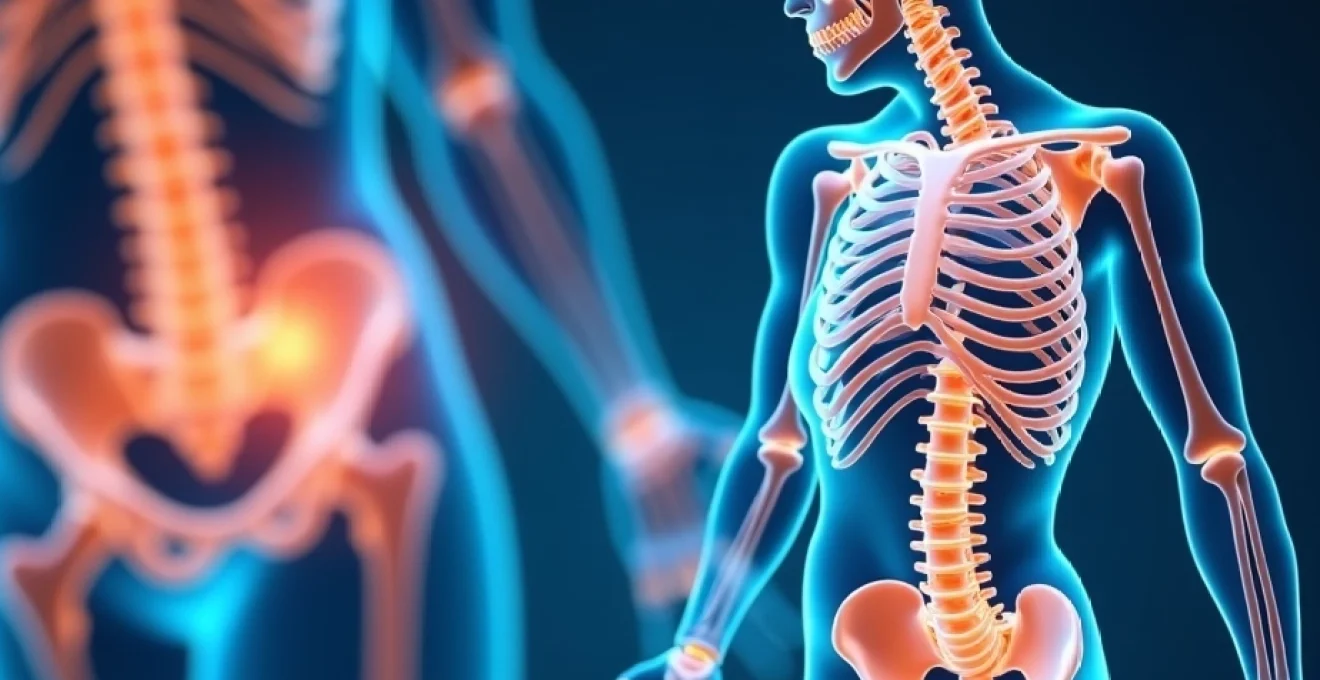
Osteoporosis represents one of the most significant health challenges facing our ageing population, affecting over 50 million people in the United States alone and causing more than 500,000 fractures annually in the UK. This silent condition progressively weakens bones, transforming them from robust, supportive structures into fragile frameworks susceptible to breaks from minor falls or everyday activities. The economic burden reaches billions annually, whilst the personal cost—measured in pain, reduced mobility, and diminished quality of life—remains immeasurable. Understanding the intricate mechanisms behind bone loss and implementing evidence-based prevention strategies can dramatically reduce your fracture risk and maintain skeletal health throughout the ageing process.
Bone density changes during the ageing process: DEXA scan interpretation and T-Score analysis
Bone density assessment through dual-energy X-ray absorptiometry (DEXA) scanning provides the gold standard for diagnosing osteoporosis and monitoring treatment efficacy. The T-score, which compares your bone density to that of a healthy 30-year-old adult, serves as the primary diagnostic criterion. A T-score of -1.0 or above indicates normal bone density, whilst scores between -1.0 and -2.5 suggest osteopenia—a precursor condition affecting one in three adults over 50. When T-scores fall below -2.5, an osteoporosis diagnosis becomes established, signalling significantly increased fracture risk.
The interpretation of DEXA scan results requires understanding regional variations in bone loss patterns. Hip measurements typically provide the most reliable predictor of fracture risk, particularly for the femoral neck region where devastating hip fractures commonly occur. Spine measurements can be complicated by degenerative changes, arterial calcifications, or compression fractures that artificially elevate readings. Advanced DEXA technology now incorporates vertebral fracture assessment (VFA) , enabling simultaneous detection of existing compression fractures that might otherwise go unnoticed.
Peak bone mass achievement in the third decade of life
Peak bone mass represents the maximum bone density achieved during skeletal development, typically occurring between ages 25-30. This critical milestone determines your bone bank account for later life—individuals who achieve higher peak bone mass enjoy greater protection against age-related bone loss. Genetic factors contribute approximately 60-80% of peak bone mass potential, whilst modifiable lifestyle factors during childhood and early adulthood influence the remaining 20-40%. Optimal nutrition, regular weight-bearing exercise, and adequate vitamin D exposure during these formative years create the foundation for lifelong skeletal health.
Trabecular versus cortical bone loss patterns after menopause
Understanding the architectural differences between trabecular and cortical bone helps explain varying fracture patterns throughout the ageing process. Trabecular bone, found predominantly in the spine and hip, features a honeycomb-like structure with high surface area that responds rapidly to hormonal changes. This tissue experiences accelerated loss rates of 3-5% annually during the first five years following menopause . Cortical bone, comprising the outer shell of long bones, undergoes more gradual loss at rates of 0.5-1% per year, beginning around age 40 in both sexes.
Postmenopausal oestrogen deficiency impact on bone remodelling cycles
Oestrogen deficiency fundamentally disrupts the delicate balance between bone formation and resorption that maintains skeletal integrity throughout life. Normal bone remodelling follows a carefully orchestrated cycle where osteoclasts remove old bone tissue whilst osteoblasts deposit new mineralised matrix. Oestrogen withdrawal accelerates osteoclast activity whilst simultaneously reducing osteoblast function, creating an imbalanced equation favouring bone loss. This hormonal disruption explains why women experience rapid bone density decline immediately following menopause, with some losing up to 20% of their bone mass within the first five to seven years.
Age-related decline in osteoblast function and collagen synthesis
Beyond hormonal influences, intrinsic ageing processes compromise bone formation capacity through reduced osteoblast proliferation and decreased collagen synthesis. Older osteoblasts produce inferior quality bone matrix with altered collagen cross-linking patterns that compromise mechanical strength. Additionally, age-related declines in growth factors, including insulin-like growth factor-1 (IGF-1) and transforming growth factor-beta (TGF-β), further impair bone formation responses. These cellular changes help explain why bone loss continues even after the initial post-menopausal acceleration phase, albeit at slower rates.
Primary and secondary osteoporosis risk factors: genetic predisposition and comorbidity assessment
Primary osteoporosis results from age-related and hormonal changes without underlying disease processes, whilst secondary osteoporosis develops as a consequence of specific medical conditions or medications. Genetic predisposition plays a crucial role, with family history of hip fracture increasing your risk by 2.3-fold. Ethnicity influences bone density patterns—Caucasian and Asian populations typically demonstrate lower peak bone mass compared to African populations, translating to higher fracture rates in later life. Body frame size also matters significantly, as individuals with smaller bones possess less reserve capacity to withstand age-related losses.
Secondary causes encompass numerous medical conditions that accelerate bone loss or impair bone formation. Endocrine disorders, including hyperthyroidism, hyperparathyroidism, and Cushing’s syndrome, create hormonal imbalances that favour bone resorption. Gastrointestinal conditions such as coeliac disease, inflammatory bowel disease, and gastric bypass surgery compromise nutrient absorption essential for bone health. Chronic kidney disease disrupts vitamin D metabolism and mineral homeostasis, whilst certain cancers and their treatments directly damage bone tissue through various mechanisms.
FRAX risk assessment tool implementation for fracture probability calculation
The Fracture Risk Assessment Tool (FRAX) revolutionised osteoporosis management by providing personalised 10-year fracture probability calculations based on individual risk factors. This sophisticated algorithm incorporates age, sex, body mass index, previous fractures, family history, smoking status, alcohol consumption, rheumatoid arthritis, and secondary osteoporosis causes alongside femoral neck bone density measurements. FRAX calculations help clinicians determine treatment thresholds more precisely than T-scores alone, particularly for patients with osteopenia who may benefit from pharmacological intervention despite not meeting traditional diagnostic criteria.
Glucocorticoid-induced osteoporosis mechanisms and steroid dosage thresholds
Glucocorticoid medications represent the most common cause of secondary osteoporosis, affecting millions of patients with inflammatory conditions. These powerful anti-inflammatory drugs suppress osteoblast function whilst enhancing osteoclast activity, creating a double-edged assault on bone health. Even low doses of prednisolone (2.5-7.5mg daily) can significantly increase fracture risk , whilst higher therapeutic doses cause rapid bone loss rates exceeding 10% annually during the first year of treatment. The vertebral spine experiences particularly devastating effects, with compression fractures occurring in up to 50% of patients receiving long-term corticosteroid therapy.
Hyperthyroidism, hyperparathyroidism, and Endocrine-Mediated bone loss
Thyroid hormone excess accelerates bone turnover by stimulating both osteoblast and osteoclast activity, but the balance favours excessive bone resorption. Hyperthyroid patients demonstrate increased fracture rates even after achieving biochemical control, suggesting irreversible bone damage from periods of hormone excess. Hyperparathyroidism presents an even more direct threat to skeletal integrity, as elevated parathyroid hormone levels mobilise calcium from bone stores to maintain serum calcium concentrations. This condition typically affects cortical bone more severely than trabecular bone, explaining the characteristic pattern of forearm fractures seen in affected patients.
Rheumatoid arthritis inflammatory cytokine effects on bone metabolism
Rheumatoid arthritis exemplifies how chronic inflammation disrupts bone homeostasis through multiple pathways. Pro-inflammatory cytokines, including tumour necrosis factor-alpha (TNF-α), interleukin-1 (IL-1), and interleukin-6 (IL-6), directly stimulate osteoclast differentiation and activity whilst inhibiting osteoblast function. Additionally, reduced physical activity due to joint pain and stiffness compounds bone loss through disuse mechanisms. Disease-modifying treatments, particularly corticosteroids and certain immunosuppressive agents, further compromise bone health, creating a complex interplay of disease-related and treatment-related bone loss.
Calcium homeostasis and vitamin D metabolic pathways in bone health maintenance
Calcium homeostasis represents one of the body’s most tightly regulated physiological processes, with bone tissue serving as the primary calcium reservoir containing 99% of total body calcium stores. When dietary calcium intake proves insufficient to maintain serum calcium concentrations, parathyroid hormone triggers bone resorption to liberate stored calcium, effectively sacrificing long-term skeletal health for immediate physiological needs. This process explains why chronically low calcium intake contributes to accelerated bone loss, particularly when combined with inadequate vitamin D status that impairs intestinal calcium absorption efficiency.
The vitamin D metabolic pathway involves multiple organs and enzymatic conversions that transform inactive precursors into the potent hormone calcitriol (1,25-dihydroxyvitamin D3). Skin synthesis represents the primary source, with 7-dehydrocholesterol converting to cholecalciferol (vitamin D3) upon ultraviolet B radiation exposure. However, seasonal variations, geographic latitude, skin pigmentation, age-related changes in skin thickness, and sunscreen use significantly impact cutaneous vitamin D production. Adults over 65 demonstrate 75% reduced skin synthesis capacity compared to younger individuals , explaining the increased prevalence of vitamin D deficiency in older populations.
Optimal vitamin D status requires serum 25-hydroxyvitamin D concentrations above 75 nmol/L (30 ng/mL) for maximal calcium absorption and parathyroid hormone suppression. Deficiency states below 50 nmol/L (20 ng/mL) trigger secondary hyperparathyroidism, accelerating bone loss and increasing fracture risk by 20-30%. Recent research suggests that vitamin D influences bone health beyond calcium absorption, with vitamin D receptors present in osteoblasts, osteoclasts, and osteocytes regulating local bone metabolism. Additionally, adequate vitamin D status supports muscle strength and balance, reducing fall risk through neuromuscular mechanisms independent of bone density effects.
Evidence-based exercise prescription for osteoporosis prevention: Weight-Bearing and resistance training protocols
Exercise prescription for osteoporosis prevention requires understanding the mechanical loading principles that stimulate bone formation responses. Wolff’s Law demonstrates that bone adapts to mechanical stress by increasing density and strength in areas experiencing greatest loads. However, bone tissue exhibits a high threshold for activation—loading forces must exceed routine daily activities to trigger adaptive responses. This principle explains why gentle activities like walking on flat surfaces provide minimal bone-building benefits , whilst higher-impact activities such as jumping, running, or resistance training create sufficient stimulus for positive bone remodelling.
Progressive overload represents the fundamental principle underlying effective bone-loading exercise programmes. Just as muscles require progressively increasing resistance to continue strengthening, bones need gradually intensifying mechanical stress to maintain formation responses. Research demonstrates that bone formation rates plateau within 6-8 weeks of initiating a consistent exercise programme unless loading parameters continue advancing. This adaptation mechanism necessitates systematic progression in exercise intensity, duration, or complexity to sustain bone health benefits throughout long-term training programmes.
Progressive resistance training using therabands and free weights for bone stimulation
Resistance training provides highly effective bone-loading stimulus through controlled application of progressive overload principles. Free weight exercises such as squats, deadlifts, and overhead presses create multi-directional loading forces that stimulate bone formation at the hip and spine—sites most vulnerable to osteoporotic fractures. Research demonstrates 1-3% annual bone density improvements at loaded sites when resistance training programmes incorporate adequate intensity (70-85% of one-repetition maximum) performed 2-3 times weekly. Elastic resistance bands offer accessible alternatives for individuals unable to perform traditional weight training, providing variable resistance that challenges muscles throughout complete ranges of motion.
High-impact activities: jump training and plyometric exercise safety guidelines
High-impact loading activities generate ground reaction forces 2-8 times body weight, creating potent bone formation stimuli when performed safely and progressively. Simple jumping exercises, including two-footed jumps, single-leg hops, and jump rope activities, provide excellent bone-loading benefits for individuals with adequate baseline fitness and balance. However, plyometric training requires careful progression and technique instruction to minimise injury risk. Beginning with low-height jumps (10-20cm) performed on stable surfaces allows adaptation of bone, muscle, and connective tissues before advancing to more challenging variations.
Balance training integration: tai chi and pilates for fall prevention
Balance training addresses the second component of fracture prevention—reducing fall risk through improved postural control and reaction time. Tai chi demonstrates particular efficacy for older adults, with studies showing 25-45% reduction in fall rates following 12-24 week programmes. This gentle, flowing exercise system enhances proprioception, strengthens postural muscles, and improves confidence in movement without imposing high physical demands. Pilates offers additional benefits through core strengthening and spinal mobility enhancement, though traditional mat Pilates requires modification for individuals with established vertebral fractures to avoid excessive spinal flexion.
Contraindicated movements: spinal flexion risks in established osteoporosis
Individuals with established osteoporosis or existing vertebral fractures must avoid exercises that place the spine in flexed positions under load. Forward-bending movements, including traditional sit-ups, toe-touching exercises, and loaded spinal flexion, concentrate compressive forces on the anterior aspect of vertebral bodies where osteoporotic bone demonstrates greatest weakness.
Exercise programmes for osteoporotic individuals should emphasise spinal extension and neutral positioning whilst avoiding combined flexion and rotation movements that significantly increase fracture risk.
Alternative core strengthening approaches, such as planks, modified bridges, and isometric abdominal exercises, provide safer options for maintaining trunk stability without compromising spinal integrity.
Pharmaceutical interventions: bisphosphonate therapy and novel bone anabolic treatments
Pharmaceutical management of osteoporosis has evolved dramatically over the past two decades, with multiple drug classes offering distinct mechanisms of action for bone loss prevention and fracture risk reduction. Bisphosphonates remain the first-line treatment for most patients, demonstrating consistent efficacy in reducing vertebral fractures by 40-70% and hip fractures by 20-50% across large clinical trials. These medications work by inhibiting osteoclast-mediated bone resorption, allowing bone formation processes to restore positive bone balance. However, the optimal duration of bisphosphonate therapy continues generating debate, with current guidelines recommending treatment holidays after 3-5 years for many patients to minimise rare but serious adverse effects.
The landscape of osteoporosis therapeutics extends beyond traditional anti-resorptive agents to include bone anabolic medications that actively stimulate new bone formation. Teriparatide, a recombinant parathyroid hormone analogue, represents the first approved anabolic agent, demonstrating superior vertebral fracture reduction compared to bisphosphonates in patients with severe osteoporosis. Newer anabolic agents, including abaloparatide and romosozumab, offer additional options for patients requiring maximal bone density improvement or those experiencing fractures despite conventional therapy.
Alendronate and risedronate administration protocols and gastrointestinal considerations
Oral bisphosphonates require specific administration protocols to optimise absorption and minimise gastrointestinal irritation. Patients must take these medications on an empty stomach with plain water, remaining upright for at least 30-60 minutes before consuming food or other beverages. This requirement stems from the extremely poor bioavailability of oral bisphosphonates—typically less than 1% of the administered dose reaches systemic circulation under optimal conditions. Calcium, coffee, or food consumed within two hours can reduce absorption by up to 60% , significantly compromising therapeutic efficacy.
Denosumab injection therapy: RANK ligand inhibition mechanisms
Denosumab represents a revolutionary approach to osteoporosis treatment through targeted inhibition of the RANK ligand pathway critical for osteoclast development and survival. This human monoclonal antibody binds to
RANK ligand with high specificity, preventing its interaction with RANK receptors on osteoclast precursors and mature osteoclasts. This mechanism effectively blocks osteoclast formation, activation, and survival, resulting in profound suppression of bone resorption within days of administration. Denosumab demonstrates rapid reversibility compared to bisphosphonates, with bone turnover markers returning to baseline levels within 12 months of discontinuation. However, this reversibility necessitates continuous treatment to maintain benefits and raises concerns about rebound bone loss upon treatment cessation.
Teriparatide anabolic therapy for severe osteoporosis cases
Teriparatide, containing the active 1-34 amino acid sequence of human parathyroid hormone, represents a paradigm shift in osteoporosis treatment through its unique anabolic mechanism. Unlike anti-resorptive medications that preserve existing bone, teriparatide actively stimulates new bone formation by enhancing osteoblast proliferation, differentiation, and survival. Daily subcutaneous injections of 20 micrograms produce dramatic improvements in bone density, with lumbar spine increases of 9-13% and hip improvements of 3-6% over 18-24 months of treatment. The medication proves particularly valuable for patients with severe osteoporosis, multiple vertebral fractures, or those who have failed conventional anti-resorptive therapy.
Hormone replacement therapy risk-benefit analysis in postmenopausal women
Hormone replacement therapy (HRT) provides highly effective bone protection through oestrogen replacement, reducing fracture risk by 30-40% at all skeletal sites. However, the risk-benefit profile requires careful individualised assessment following landmark studies demonstrating increased risks of breast cancer, cardiovascular events, and venous thromboembolism in certain populations. Current guidelines recommend HRT consideration for women under 60 or within 10 years of menopause onset, when absolute risks remain low and bone protective benefits may outweigh potential complications. Newer selective oestrogen receptor modulators (SERMs) and tissue-selective oestrogen complexes offer alternative approaches that provide skeletal benefits whilst minimising some traditional HRT risks.
Lifestyle modification strategies: nutritional interventions and environmental risk reduction
Comprehensive osteoporosis prevention extends beyond calcium and vitamin D supplementation to encompass broader nutritional strategies that support overall bone metabolism. Protein intake plays a crucial role in bone health, with recommendations of 1.0-1.2 grams per kilogram body weight daily for older adults—higher than general population guidelines. Adequate protein provides essential amino acids for collagen synthesis whilst supporting muscle mass maintenance that protects against falls. However, excessive protein intake without sufficient alkaline buffer from fruits and vegetables may create metabolic acidosis that promotes bone mineral dissolution.
Micronutrient deficiencies beyond calcium and vitamin D significantly impact bone health outcomes. Magnesium deficiency affects approximately 60% of older adults, impairing vitamin D metabolism and reducing bone mineral density. Vitamin K deficiency compromises osteocalcin carboxylation, a process essential for proper calcium binding within bone matrix. Studies demonstrate that individuals with the highest vitamin K intake experience 30% fewer hip fractures compared to those with lowest intake. Additionally, adequate vitamin C supports collagen cross-linking, whilst zinc and copper serve as cofactors for enzymes involved in bone matrix formation.
Environmental modifications within the home represent critical components of comprehensive fracture prevention strategies. Poor lighting, loose carpets, cluttered walkways, and inadequate bathroom safety features contribute significantly to fall risk in older adults. Installing grab bars in bathrooms, improving stairway lighting, removing tripping hazards, and ensuring sturdy handrails can reduce domestic falls by up to 40%. Regular vision and hearing assessments address sensory impairments that compromise balance and spatial awareness, whilst medication reviews identify potentially problematic drugs that cause drowsiness, dizziness, or postural hypotension.
Smoking cessation and alcohol moderation provide substantial bone health benefits regardless of age at implementation. Cigarette smoke contains numerous toxic compounds that directly impair osteoblast function whilst accelerating osteoclast activity. Smoking also reduces intestinal calcium absorption and compromises vitamin D metabolism, creating multiple pathways for bone damage. Former smokers demonstrate progressive improvement in bone density over 5-10 years following cessation, emphasising that it’s never too late to quit. Similarly, moderate alcohol consumption (1-2 units daily) may provide modest bone protective effects, whilst excessive intake (>3 units daily) accelerates bone loss and increases fall risk through multiple mechanisms.
Sleep quality and duration significantly influence bone health through hormonal regulation and physical recovery processes. Growth hormone, released primarily during deep sleep phases, stimulates osteoblast activity and promotes bone formation. Chronic sleep deprivation disrupts this natural rhythm whilst elevating cortisol levels that favour bone resorption. Additionally, poor sleep quality increases fall risk through impaired balance, reduced reaction time, and cognitive dysfunction. Optimising sleep hygiene through consistent bedtime routines, comfortable sleeping environments, and addressing sleep disorders such as sleep apnoea can provide unexpected benefits for skeletal health maintenance.
Weight management strategies must balance competing priorities in osteoporosis prevention. Whilst obesity increases mechanical loading that stimulates bone formation, excessive weight gain elevates inflammatory markers and may impair mobility, increasing fall risk. Conversely, significant weight loss—particularly rapid weight reduction—accelerates bone loss through reduced mechanical loading and potential nutritional deficiencies. The optimal approach involves gradual weight management maintaining BMI between 22-27 kg/m² for older adults, preserving adequate lean body mass through resistance training and protein intake whilst avoiding extremes that compromise bone or overall health.
Emerging research highlights the importance of social engagement and mental health in comprehensive bone health strategies. Social isolation and depression correlate with increased fracture risk through multiple pathways, including reduced physical activity, poor nutritional intake, medication non-compliance, and potentially direct effects of chronic stress on bone metabolism. Community-based exercise programmes, volunteer activities, and social support networks provide multifaceted benefits that extend beyond traditional medical interventions. These holistic approaches recognise that optimal bone health requires integration of physical, nutritional, medical, and psychosocial strategies tailored to individual circumstances and preferences.