

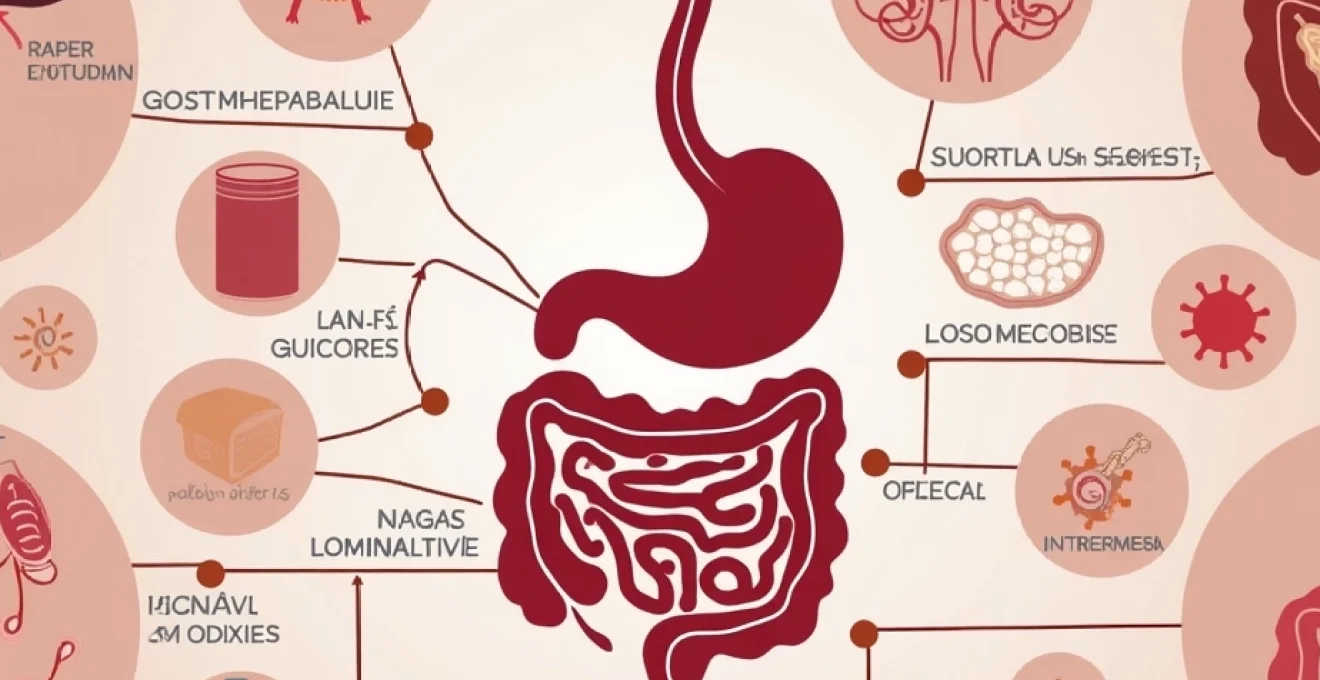
The intricate relationship between intestinal health and dermatological conditions has emerged as one of the most compelling areas of modern medical research. Scientists have discovered that the trillions of microorganisms residing in your digestive tract don’t simply aid digestion—they orchestrate a complex communication network that directly influences the health and appearance of your skin. This bidirectional pathway, known as the gut-skin axis, represents a paradigm shift in how dermatologists and healthcare practitioners approach chronic skin conditions.
Recent clinical studies demonstrate that individuals with compromised gut microbiomes show significantly higher rates of inflammatory skin disorders, including acne, eczema, and psoriasis. The mechanisms underlying this connection involve sophisticated biochemical processes, from microbial metabolite production to immune system modulation. Understanding these pathways opens unprecedented opportunities for therapeutic intervention, suggesting that addressing intestinal dysbiosis could be as crucial as topical treatments for achieving lasting skin health improvements.
The Gut-Skin axis: understanding Microbiome-Dermatological communication pathways
The gut-skin axis represents a sophisticated biological communication network that connects intestinal microbiology with cutaneous health through multiple interconnected pathways. This system operates through immunological mediators , metabolic byproducts, and neurological signalling mechanisms that collectively influence skin barrier function, inflammatory responses, and overall dermatological wellness. Research indicates that approximately 70-80% of immune cells reside within gut-associated lymphoid tissue, making the intestinal tract a primary regulator of systemic immune responses that directly impact skin condition.
Central to this communication system is the concept of microbial cross-talk, where beneficial bacteria in the gut produce compounds that travel through the bloodstream to influence skin cell behaviour. These microbial metabolites include short-chain fatty acids, vitamins, and hormone-like substances that modulate everything from collagen production to sebum regulation. The bidirectional nature of this axis means that skin conditions can also influence gut health, creating feedback loops that either promote wellness or perpetuate disease states.
Intestinal permeability and systemic inflammatory response mechanisms
Intestinal permeability, commonly referred to as “leaky gut syndrome,” occurs when the protective barrier lining the digestive tract becomes compromised, allowing bacterial endotoxins and undigested food particles to enter systemic circulation. This breach in intestinal integrity triggers widespread inflammatory cascades that manifest in various skin conditions. Clinical studies reveal that patients with increased intestinal permeability show elevated levels of lipopolysaccharides in their bloodstream, correlating with the severity of inflammatory skin disorders.
The inflammatory response initiated by compromised gut barrier function involves the activation of toll-like receptors and the subsequent release of pro-inflammatory cytokines such as tumour necrosis factor-alpha and interleukin-6. These inflammatory mediators travel through the circulatory system, reaching dermal tissues where they disrupt normal skin cell regeneration processes and compromise the skin’s protective barrier function. This systemic inflammation creates an environment conducive to the development of conditions ranging from mild acne to severe autoimmune skin diseases.
Microbial metabolite production and skin barrier function modulation
Beneficial gut bacteria produce an extensive array of bioactive compounds that directly influence skin barrier integrity and function. These microbial metabolites include peptidoglycans , polysaccharides, and various organic acids that regulate skin cell proliferation, differentiation, and barrier formation. Research demonstrates that specific bacterial strains, particularly Lactobacillus and Bifidobacterium species, produce compounds that enhance ceramide synthesis—crucial lipid molecules that maintain skin hydration and barrier function.
The production of these beneficial metabolites depends heavily on dietary substrate availability and the overall composition of the gut microbiome. When dysbiosis occurs, characterised by reduced microbial diversity and pathogenic bacterial overgrowth, the production of skin-supportive compounds decreases while harmful metabolites increase. This shift can lead to compromised skin barrier function, increased transepidermal water loss, and heightened susceptibility to environmental irritants and pathogens.
Vagus Nerve-Mediated Gut-Brain-Skin communication networks
The vagus nerve serves as a critical communication highway between the gut, brain, and skin, facilitating rapid information transfer that influences dermatological health. This neural pathway enables gut bacteria to send signals directly to the brain, which then modulates skin function through various mechanisms including hormone release and autonomic nervous system activation. Vagal nerve stimulation has been shown to reduce inflammatory responses and promote wound healing, highlighting the importance of this neurological component in the gut-skin axis.
Stress-related disruptions to vagal nerve function can significantly impact both gut health and skin condition. Chronic stress reduces vagal tone, leading to decreased gut motility, altered microbial composition, and increased intestinal permeability. Simultaneously, stress hormones like cortisol directly affect skin cell turnover and sebum production, creating a complex interplay between psychological stress, gut function, and dermatological health that requires comprehensive therapeutic approaches.
Short-chain fatty acids and their role in cutaneous immune regulation
Short-chain fatty acids (SCFAs), primarily acetate, propionate, and butyrate, represent some of the most important microbial metabolites produced by beneficial gut bacteria during fibre fermentation. These compounds possess remarkable immunomodulatory properties that extend far beyond the digestive tract to influence skin immune function and inflammatory responses. Butyrate, in particular, has been shown to promote regulatory T-cell development and function, creating an anti-inflammatory environment that benefits both gut and skin health.
The mechanisms through which SCFAs influence skin health involve both direct and indirect pathways. Directly, these compounds can reach dermal tissues through systemic circulation, where they modulate local immune cell activity and promote healthy inflammatory resolution. Indirectly, SCFAs strengthen intestinal barrier function, reducing the translocation of inflammatory compounds that would otherwise trigger systemic inflammation affecting skin condition. Clinical trials indicate that individuals with higher circulating SCFA levels demonstrate improved skin barrier function and reduced inflammatory skin disease severity.
Dysbiosis-associated dermatological conditions: clinical manifestations and pathophysiology
Gut microbiome dysbiosis—characterised by reduced microbial diversity, pathogenic bacterial overgrowth, and decreased beneficial species abundance—has been implicated in numerous dermatological conditions through extensive clinical research. The pathophysiological mechanisms linking dysbiosis to skin disease involve complex interactions between altered immune function, increased systemic inflammation, compromised barrier integrity, and disrupted metabolic processes. Understanding these connections enables healthcare practitioners to develop more effective, targeted therapeutic strategies that address root causes rather than merely treating symptoms.
The clinical presentation of dysbiosis-associated skin conditions often involves chronic inflammation, impaired wound healing, increased susceptibility to infections, and compromised skin barrier function. These manifestations result from the cumulative effects of reduced beneficial bacterial metabolite production, increased inflammatory mediator release, and altered immune system regulation. Research indicates that patients with severe dysbiosis may experience multiple concurrent skin conditions, suggesting common underlying pathophysiological pathways that can be addressed through comprehensive microbiome restoration strategies.
Acne vulgaris and propionibacterium acnes Gut-Skin correlation studies
Recent research has revealed significant correlations between gut microbiome composition and acne vulgaris severity, particularly regarding the abundance of specific bacterial strains that influence systemic inflammation and hormonal balance. Studies demonstrate that individuals with severe acne often exhibit reduced gut microbial diversity and altered ratios of Firmicutes to Bacteroidetes, the two dominant bacterial phyla in the human gut. These microbial imbalances correlate with increased sebum production, enhanced inflammatory responses, and altered insulin-like growth factor-1 levels—all factors that contribute to acne pathogenesis.
The relationship between gut health and acne extends beyond simple bacterial counts to include functional metabolic capacity. Individuals with acne-prone skin frequently show reduced production of anti-inflammatory SCFAs and increased levels of branched-chain amino acids, which can promote sebaceous gland activity and inflammatory pathway activation. Additionally, gut dysbiosis can influence the metabolism of androgens and other hormones that directly impact sebum production and follicular keratinisation, creating a complex web of interconnected factors that perpetuate acne development and persistence.
Atopic dermatitis exacerbation through intestinal candida albicans overgrowth
Candida albicans overgrowth in the intestinal tract has emerged as a significant contributing factor to atopic dermatitis exacerbation, with clinical studies demonstrating clear correlations between fungal burden and eczema severity. This opportunistic yeast can proliferate when beneficial bacterial populations are depleted, often following antibiotic use, dietary changes, or stress-induced alterations to the gut microbiome. Candida overgrowth produces various toxic metabolites, including acetaldehyde and ethanol, which can increase intestinal permeability and trigger systemic inflammatory responses that manifest as atopic dermatitis flares.
The mechanisms through which Candida albicans influences atopic dermatitis involve both direct toxin production and indirect immune system disruption. Candida produces proteases that can damage intestinal epithelial cells, compromising barrier function and allowing allergenic proteins to enter systemic circulation. This process triggers IgE-mediated allergic reactions and Th2-dominant immune responses characteristic of atopic dermatitis. Furthermore, chronic Candida overgrowth can lead to molecular mimicry , where immune responses directed against fungal antigens cross-react with human tissue proteins, potentially contributing to autoimmune components of severe eczema.
Rosacea Flare-Ups linked to small intestinal bacterial overgrowth (SIBO)
Small intestinal bacterial overgrowth (SIBO) has been identified as a significant trigger for rosacea flare-ups, with clinical studies showing that up to 78% of rosacea patients test positive for SIBO compared to only 15% of healthy controls. This condition occurs when bacteria normally confined to the large intestine migrate to and proliferate in the small intestine, disrupting normal digestive processes and producing inflammatory compounds that contribute to facial erythema and papulopustular lesions characteristic of rosacea. The bacterial overgrowth typically involves hydrogen or methane-producing species that can be detected through specialised breath testing.
The pathophysiological connection between SIBO and rosacea involves multiple mechanisms, including the production of vasoactive compounds that trigger facial flushing, increased histamine release from bacterial metabolism, and enhanced inflammatory mediator production that affects cutaneous blood vessels. Patients with SIBO-associated rosacea often report gastrointestinal symptoms such as bloating, altered bowel habits, and abdominal discomfort alongside their skin manifestations. Treatment protocols targeting SIBO frequently result in significant improvements in rosacea symptoms, supporting the causal relationship between these conditions and highlighting the importance of comprehensive digestive assessment in rosacea management.
Psoriasis severity and akkermansia muciniphila depletion patterns
Akkermansia muciniphila, a beneficial bacterial species that comprises 1-4% of the healthy gut microbiome, has been identified as critically important for maintaining intestinal barrier integrity and regulating immune responses related to psoriasis development and progression. Clinical studies consistently demonstrate that patients with psoriasis show significantly reduced levels of A. muciniphila compared to healthy controls, with the degree of depletion correlating directly with disease severity and inflammatory marker levels. This bacterial species plays crucial roles in mucin layer maintenance, intestinal barrier function, and anti-inflammatory metabolite production.
The mechanisms through which A. muciniphila depletion contributes to psoriasis pathogenesis involve compromised intestinal barrier function, altered immune regulation, and reduced production of beneficial metabolites such as propionate and acetate. When A. muciniphila populations decline, the protective mucin layer becomes compromised, allowing increased bacterial translocation and systemic endotoxin exposure that triggers the inflammatory cascades characteristic of psoriatic lesions. Research indicates that therapeutic interventions aimed at restoring A. muciniphila populations, including specific prebiotic supplementation and targeted probiotic protocols, can significantly improve psoriasis outcomes and reduce systemic inflammatory burden.
Microbiome analysis techniques for skin condition assessment
Advanced microbiome analysis techniques have revolutionised the assessment and understanding of gut-skin axis dysfunction, providing healthcare practitioners with sophisticated tools to identify specific microbial imbalances contributing to dermatological conditions. These analytical methods enable precise characterisation of microbial communities, functional capacity assessment, and monitoring of therapeutic intervention effectiveness. The evolution from culture-based methods to molecular sequencing techniques has revealed the true complexity of the human microbiome and its relationship to skin health, opening new avenues for personalised treatment approaches.
Modern microbiome analysis combines multiple methodologies to provide comprehensive insights into both microbial composition and functional capacity. This multi-faceted approach is essential because microbial diversity alone does not fully predict health outcomes—the functional genes present and their expression levels are equally important for understanding disease mechanisms and treatment responses. Integration of these various analytical techniques enables practitioners to develop targeted therapeutic strategies that address specific microbial dysfunctions rather than employing broad-spectrum approaches that may disrupt beneficial microbial communities.
16S rRNA gene sequencing for gut bacterial identification
16S ribosomal RNA gene sequencing represents the gold standard for bacterial identification and taxonomic classification in gut microbiome analysis, providing detailed insights into microbial community composition that directly relate to skin health outcomes. This technique targets the highly conserved 16S rRNA gene present in all bacteria, allowing for precise identification down to the species level and enabling researchers to correlate specific bacterial populations with dermatological conditions. The method has revealed critical relationships between bacterial diversity, specific pathogenic strains, and skin inflammatory responses that inform targeted therapeutic interventions.
The clinical applications of 16S rRNA sequencing in dermatology extend beyond simple bacterial identification to include assessment of microbial diversity indices, identification of dysbiosis patterns, and monitoring of treatment responses. Research utilising this technique has identified specific bacterial signatures associated with various skin conditions, such as reduced Faecalibacterium prausnitzii in psoriasis patients and increased Escherichia coli abundance in individuals with severe acne. These findings enable practitioners to develop precision medicine approaches that target specific microbial imbalances rather than employing generalised probiotic interventions.
Metagenomic shotgun sequencing and functional gene analysis
Metagenomic shotgun sequencing provides comprehensive analysis of all genetic material present in microbiome samples, enabling assessment of not only which microorganisms are present but also their functional capacity for producing specific metabolites relevant to skin health. This technique sequences all DNA fragments in a sample, providing insights into bacterial genes responsible for SCFA production, vitamin synthesis, inflammatory mediator metabolism, and antimicrobial compound generation. The functional gene analysis capabilities of this method have revealed that individuals with similar bacterial compositions may have vastly different metabolic capacities, explaining variations in skin health outcomes among patients with comparable microbiome profiles.
The clinical utility of metagenomic analysis lies in its ability to predict microbial functional capacity and identify specific metabolic pathways that may be disrupted in patients with skin conditions. For instance, this technique can identify deficiencies in genes responsible for butyrate production, vitamin B12 synthesis, or folate metabolism—all factors that influence skin health through various mechanisms. This information enables practitioners to develop targeted nutritional interventions and select specific probiotic strains that can restore missing metabolic functions rather than simply increasing overall bacterial diversity.
Zonulin biomarker testing for intestinal permeability evaluation
Zonulin testing has emerged as a crucial biomarker for assessing intestinal permeability in patients with skin conditions, providing quantitative measurements of gut barrier function that correlate directly with dermatological symptom severity. Zonulin, a protein that regulates intestinal tight junctions, becomes elevated when gut barrier function is compromised, making it an excellent marker for identifying the intestinal permeability component of gut-skin axis dysfunction. Clinical studies demonstrate that patients with inflammatory skin conditions consistently show elevated serum and urinary zonulin levels compared to healthy controls.
The practical applications of zonulin testing in dermatological practice include monitoring treatment progress, identifying patients who may benefit from gut barrier restoration protocols, and assessing the relationship between dietary triggers and skin flare-ups. Elevated zonulin levels indicate increased intestinal permeability, which allows bacterial endotoxins and food antigens to enter systemic circulation, triggering inflammatory responses that manifest in skin conditions. This biomarker testing enables practitioners to quantify improvements in gut barrier function following therapeutic interventions and adjust treatment protocols based on objective measurements rather than subjective symptom reporting alone.
Comprehensive digestive stool analysis (CDSA) interpretation methods
Comprehensive digestive stool analysis provides detailed insights
into digestive function beyond basic microbiome composition, offering a multi-dimensional view of gut health parameters that directly influence skin condition outcomes. This analysis encompasses digestive enzyme activity, inflammatory markers, beneficial and pathogenic bacterial ratios, yeast and parasite detection, and short-chain fatty acid production levels. The comprehensive nature of CDSA testing enables practitioners to identify specific functional deficits that may not be apparent through microbiome sequencing alone, providing crucial information for developing targeted therapeutic protocols.
Interpretation of CDSA results requires understanding the interconnected nature of digestive function and its impact on skin health through the gut-skin axis. Elevated levels of pathogenic bacteria such as Clostridium difficile or Candida species often correlate with increased skin inflammation and compromised barrier function. Conversely, adequate levels of beneficial bacteria like Lactobacillus and Bifidobacterium species, along with healthy SCFA production, typically associate with improved skin condition outcomes. The analysis also reveals digestive enzyme deficiencies that can lead to undigested food particles entering systemic circulation, triggering inflammatory responses that manifest as various dermatological conditions.
Therapeutic interventions: probiotic strains and targeted skin therapy
The therapeutic application of specific probiotic strains for skin conditions represents a paradigm shift from generalised supplementation to precision microbiome medicine. Clinical research has identified particular bacterial strains that demonstrate superior efficacy for specific dermatological conditions, enabling practitioners to prescribe targeted microbial interventions based on individual patient needs and microbiome analysis results. This approach recognises that different skin conditions require distinct therapeutic strategies, with some benefiting from anti-inflammatory bacterial strains while others respond better to barrier-strengthening or sebum-regulating species.
The selection of appropriate probiotic strains requires understanding both the mechanisms of action and the clinical evidence supporting their use in dermatological applications. For instance, Lactobacillus rhamnosus GG has demonstrated significant efficacy in reducing atopic dermatitis severity through immune system modulation and barrier function enhancement. Similarly, Bifidobacterium longum and Lactobacillus casei have shown promise in acne management through their ability to reduce systemic inflammation and modulate hormonal pathways that influence sebaceous gland activity.
Beyond oral probiotic supplementation, topical microbiome therapy has emerged as a complementary approach that directly addresses skin surface microbial imbalances. This strategy involves applying beneficial bacterial strains or their metabolites directly to affected skin areas, creating localised microbiome restoration that can work synergistically with systemic gut health improvements. Research indicates that combining oral and topical probiotic interventions often produces superior outcomes compared to either approach alone, particularly for complex conditions involving both systemic inflammation and local skin barrier dysfunction.
The timing and duration of probiotic interventions play crucial roles in achieving optimal therapeutic outcomes for skin conditions. Most clinical studies demonstrate that significant improvements in dermatological symptoms require consistent supplementation for 8-12 weeks, with some patients requiring longer treatment periods for sustained benefits. The therapeutic response often follows a biphasic pattern, with initial improvements in systemic inflammatory markers occurring within 2-4 weeks, followed by visible skin improvements at 6-8 weeks. Understanding these timelines helps practitioners set appropriate patient expectations and maintain compliance with therapeutic protocols.
Nutritional strategies for simultaneous gut healing and skin restoration
Comprehensive nutritional strategies that simultaneously address gut healing and skin restoration represent the foundation of effective gut-skin axis therapy. These approaches focus on providing the essential nutrients required for intestinal barrier repair while supplying the building blocks necessary for healthy skin cell turnover and barrier function. The integration of anti-inflammatory foods, prebiotic fibres, and skin-supporting nutrients creates a synergistic therapeutic environment that addresses root causes rather than merely managing symptoms.
The elimination of inflammatory foods forms a crucial component of gut-skin healing protocols, as certain dietary components can perpetuate intestinal permeability and systemic inflammation that manifests in skin conditions. Common inflammatory triggers include refined sugars, processed foods, trans fats, and individual food sensitivities identified through comprehensive testing. Research demonstrates that patients following elimination diets tailored to their specific sensitivities show significant improvements in both digestive symptoms and skin condition severity within 4-6 weeks of dietary modification.
Prebiotic nutrition plays an essential role in supporting beneficial bacterial growth and SCFA production, which directly influences skin health through multiple mechanisms. Specific prebiotic compounds such as inulin, oligofructose, and resistant starches provide targeted nutrition for beneficial bacterial strains while promoting the production of skin-supportive metabolites. Clinical studies indicate that individuals consuming 15-20 grams of diverse prebiotic fibres daily demonstrate improved skin barrier function, reduced inflammatory markers, and enhanced wound healing capacity compared to those following standard diets.
The timing and composition of meals can significantly impact both gut health and skin outcomes, with emerging research supporting time-restricted eating patterns and specific nutrient combinations that optimise the gut-skin axis. Intermittent fasting protocols have been shown to promote beneficial bacterial diversity, reduce systemic inflammation, and enhance cellular repair processes that benefit both intestinal and skin tissues. Additionally, consuming antioxidant-rich foods alongside healthy fats enhances the absorption of fat-soluble vitamins essential for skin health, while supporting the production of anti-inflammatory compounds that benefit the entire gut-skin communication network.
Hydration strategies extend beyond simple water consumption to include electrolyte balance and cellular hydration support that benefits both digestive function and skin moisture retention. Adequate hydration supports lymphatic drainage, toxin elimination, and nutrient transport processes that are essential for both gut healing and skin restoration. Research suggests that individuals maintaining optimal hydration levels alongside targeted nutritional interventions show faster healing responses and more sustainable improvements in both digestive and dermatological symptoms.
Emerging research: topical microbiome therapy and personalised treatment protocols
The frontier of topical microbiome therapy represents a revolutionary approach to skin condition management that directly modulates the cutaneous microbiome while supporting systemic gut-skin axis function. This emerging field recognises that skin surface microbial communities play crucial roles in barrier function, immune regulation, and inflammatory response modulation. Current research focuses on developing live bacterial therapeutics that can be applied directly to skin surfaces, creating targeted microbiome restoration that complements systemic interventions.
Personalised treatment protocols based on individual microbiome analysis and genetic factors are transforming the landscape of dermatological care, moving beyond one-size-fits-all approaches to precision medicine strategies. These protocols integrate comprehensive microbiome testing, genetic polymorphism analysis, and detailed clinical assessment to develop individualised therapeutic plans that address specific microbial imbalances and metabolic dysfunctions. Early clinical trials demonstrate that patients receiving personalised microbiome-based treatments show superior outcomes compared to those receiving standardised protocols, with response rates improving by 40-60% in various skin conditions.
The development of postbiotic therapeutics—beneficial compounds produced by probiotic bacteria—offers promising alternatives to live bacterial supplementation for individuals who may not tolerate traditional probiotic interventions. These therapies include purified SCFAs, bacterial peptides, and other bioactive metabolites that can provide therapeutic benefits without the need for viable bacterial colonisation. Research indicates that postbiotic compounds may offer more predictable therapeutic effects and improved stability compared to live probiotic formulations, while still providing significant benefits for gut-skin axis dysfunction.
Artificial intelligence and machine learning applications are beginning to revolutionise the identification of optimal treatment protocols by analysing vast datasets of microbiome profiles, treatment responses, and clinical outcomes. These technologies can identify subtle patterns and correlations that may not be apparent through traditional analysis methods, enabling the prediction of treatment responses and optimisation of therapeutic strategies. Early implementations of AI-driven microbiome analysis have demonstrated improved treatment selection accuracy and faster identification of effective interventions for complex skin conditions involving gut-skin axis dysfunction.
The integration of wearable technology and real-time monitoring systems is enabling continuous assessment of treatment progress and early identification of therapeutic adjustments needed for optimal outcomes. These systems can monitor biomarkers such as skin hydration, barrier function, inflammatory markers, and even certain microbial metabolites, providing practitioners with detailed feedback on treatment effectiveness. This real-time monitoring capability allows for dynamic treatment adjustments that can optimise therapeutic outcomes while minimising adverse effects, representing a significant advancement in personalised dermatological care that addresses the complex interactions within the gut-skin axis.