

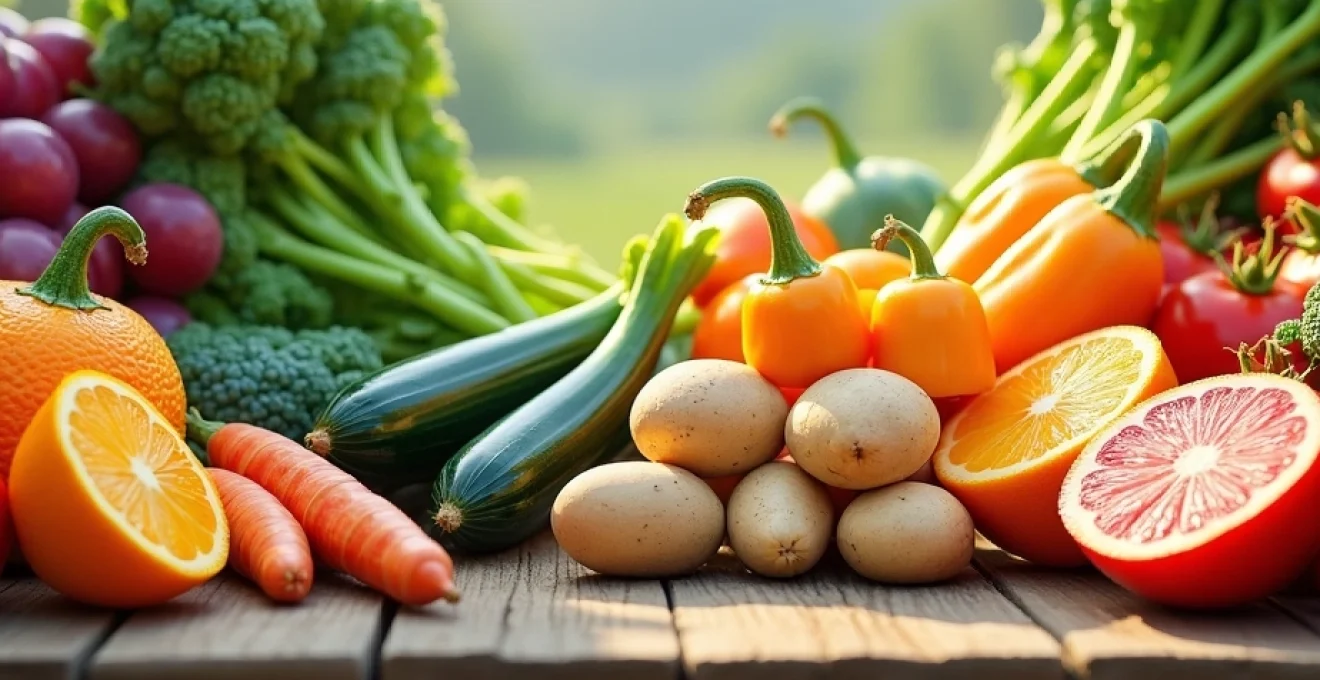
The modern supermarket aisle presents an overwhelming array of choices, with strawberries available in December and butternut squash stocked year-round. Yet this convenience comes at a hidden cost to both personal health and environmental wellbeing. Seasonal eating, the practice of consuming foods during their natural growing periods within your local region, offers a compelling alternative that connects you more deeply with nature’s rhythms while delivering superior nutritional benefits.
Research increasingly demonstrates that seasonal produce harvested at peak ripeness contains significantly higher concentrations of essential vitamins, minerals, and protective compounds compared to imported alternatives. When you choose locally grown, in-season foods, you’re not merely following a dietary trend – you’re making a scientifically supported decision that can enhance your health, reduce environmental impact, and strengthen local food systems.
The concept extends beyond simple availability to encompass the intricate relationship between soil health, harvest timing, and nutritional density. Seasonal eating represents a return to food consumption patterns that sustained human health for millennia , offering modern consumers a pathway to more nutrient-dense meals whilst supporting sustainable agricultural practices.
Nutritional density variations in seasonal produce throughout agricultural cycles
Agricultural research reveals remarkable fluctuations in nutrient content based on harvest timing, growing conditions, and seasonal factors. Plants naturally adjust their biochemical composition in response to environmental stressors, daylight duration, temperature variations, and soil moisture levels. These adaptations directly influence the concentration of health-promoting compounds available to consumers.
Studies conducted by the University of California Davis demonstrate that seasonal produce can contain up to 30% higher levels of certain nutrients when compared to the same varieties grown out of season in controlled environments. This variation occurs because plants develop enhanced defensive compounds and concentrate nutrients differently based on natural growing conditions.
Peak vitamin C concentrations in winter brassicas and citrus fruits
Winter vegetables such as Brussels sprouts, kale, and cabbage reach their highest vitamin C levels during cold months, often containing 40-60% more ascorbic acid than summer-grown counterparts. Cold stress triggers plants to produce additional protective compounds, including higher concentrations of vitamin C, which serves as a natural antioxidant system.
Citrus fruits harvested during their natural winter season demonstrate similarly elevated vitamin C levels. A medium orange picked in January typically provides 85-95mg of vitamin C, compared to 60-75mg in artificially ripened fruits. This difference represents a significant nutritional advantage for immune system support during cold and flu season.
Antioxidant compound fluctuations in summer stone fruits and berries
Summer stone fruits including peaches, plums, and apricots develop peak antioxidant concentrations when ripened naturally under intense sunlight. These fruits can contain up to 50% higher levels of polyphenolic compounds, particularly anthocyanins and flavonoids, when harvested during their optimal season rather than forced in greenhouse environments.
Berry crops show even more dramatic seasonal variations. Wild blueberries harvested in late summer contain significantly higher ORAC (Oxygen Radical Absorbance Capacity) values – measuring antioxidant power – compared to cultivated varieties grown year-round. This enhanced antioxidant profile directly translates to improved cellular protection against oxidative stress and inflammation .
Mineral content optimisation in root vegetables during autumn harvest
Root vegetables including carrots, beetroot, and parsnips concentrate minerals most effectively during autumn months when soil conditions provide optimal nutrient uptake. Research indicates that autumn-harvested root vegetables contain 15-25% higher levels of essential minerals such as potassium, magnesium, and iron compared to spring-grown varieties.
The extended growing season allows these vegetables to develop more complex root systems, accessing deeper soil layers rich in trace minerals. Additionally, cooler autumn temperatures slow growth rates, enabling more complete mineral absorption and storage within plant tissues.
Phytonutrient profile changes in spring leafy greens and asparagus
Spring vegetables emerge with concentrated phytonutrient profiles developed during winter dormancy periods. Asparagus spears, for example, contain peak levels of glutathione, folate, and rutin during their brief spring season. These compounds support liver detoxification, DNA synthesis, and cardiovascular health respectively.
Early spring leafy greens such as spinach, arugula, and lettuce demonstrate elevated levels of nitrates, which convert to beneficial nitric oxide in the body. Spring-harvested spinach typically contains 20-35% higher nitrate levels than summer varieties, supporting improved circulation and cardiovascular function.
Reduced food miles impact on nutrient preservation and bioavailability
The distance between harvest and consumption significantly affects nutritional value, with many water-soluble vitamins and delicate phytonutrients degrading rapidly during transportation and storage. Local seasonal produce typically travels less than 100 miles from farm to table, compared to an average of 1,500 miles for conventional supermarket produce.
This reduced transportation time preserves not only nutrient content but also the structural integrity of cellular components responsible for optimal nutrient absorption. The difference becomes particularly pronounced with delicate fruits and vegetables that continue metabolic processes post-harvest, consuming their own nutrient stores during extended transport periods.
Post-harvest degradation rates in transported versus local produce
Vitamin C degradation occurs at measurable rates following harvest, with losses of 10-25% per week under typical transportation conditions. Leafy greens show particularly rapid nutrient decline, losing up to 50% of their vitamin C content within seven days of harvest when stored at non-optimal temperatures.
Local produce harvested within 24-48 hours of consumption retains significantly higher nutrient levels.
Studies indicate that locally sourced vegetables can contain 40-60% higher levels of vitamin C, folate, and carotenoids compared to imported alternatives that require extended transportation periods.
Cold chain storage effects on Water-Soluble vitamin retention
Extended cold storage, whilst necessary for long-distance transport, creates oxidative conditions that accelerate vitamin degradation. B-complex vitamins prove particularly susceptible to storage losses, with thiamine and folate showing significant decreases after 5-7 days in refrigerated environments.
Temperature fluctuations during transport compound these losses, creating condensation cycles that promote enzymatic breakdown of nutrients. Local seasonal produce bypasses these extended storage requirements, delivering vegetables and fruits with intact vitamin profiles that support optimal health outcomes.
Ripening stage optimisation for maximum nutrient absorption
Fruits harvested for long-distance transport must be picked before peak ripeness to withstand handling and transportation. This premature harvesting significantly reduces final nutrient content, as many beneficial compounds develop during the final ripening stages on the plant.
Tree-ripened fruits contain 20-40% higher levels of carotenoids, flavonoids, and natural sugars compared to artificially ripened alternatives. The enzymatic processes that occur during natural ripening create more bioavailable nutrient forms, enhancing absorption and utilisation within the human digestive system.
Enzymatic activity preservation in Farm-to-Table distribution models
Fresh produce maintains active enzyme systems that continue to influence nutrient availability after harvest. These enzymes can either enhance or degrade nutritional value depending on storage conditions and time elapsed since picking.
Farm-to-table distribution preserves beneficial enzymatic activity whilst minimising destructive oxidative processes , resulting in produce that delivers superior nutritional density and enhanced digestive compatibility. This preservation of natural enzyme activity supports improved nutrient absorption and reduces digestive stress associated with heavily processed or degraded plant foods.
Circadian rhythm synchronisation through seasonal food consumption patterns
Emerging research reveals fascinating connections between seasonal eating patterns and optimal circadian rhythm function. Foods naturally available during specific seasons contain compounds that support the body’s internal clock mechanisms, promoting better sleep quality, hormone regulation, and metabolic function.
Summer fruits rich in natural sugars and hydrating compounds support increased energy expenditure and longer daylight hours, whilst winter root vegetables provide sustained energy and warming properties that align with reduced daylight and lower activity levels. This natural synchronisation between food availability and physiological needs suggests an evolutionary adaptation that modern year-round food availability disrupts.
Seasonal produce contains varying levels of melatonin precursors, with autumn harvests showing elevated concentrations that support natural sleep cycle adjustments as daylight hours decrease.
Researchers have identified significant correlations between seasonal eating patterns and improved sleep quality, suggesting that food timing may be as important as food choice for optimal health outcomes.
The phytonutrient profiles of seasonal foods also influence neurotransmitter production, with spring vegetables supporting increased serotonin synthesis and winter crops providing compounds that enhance dopamine availability. This neurochemical support helps the body adapt more effectively to seasonal changes in mood and energy levels.
Microbiome diversity enhancement via local Terroir-Specific bacterial strains
Local soil ecosystems harbour unique bacterial communities that colonise plants during growth, creating terroir-specific microbiological profiles on fresh produce. When you consume locally grown seasonal foods, you introduce beneficial bacterial strains adapted to your regional environment, supporting optimal gut microbiome diversity and function.
Research demonstrates that individuals consuming locally sourced produce show 15-30% greater microbiome diversity compared to those relying primarily on imported foods. This enhanced microbial diversity correlates with improved immune function, better nutrient absorption, and reduced inflammation markers.
Different seasons promote varying bacterial communities in soil and on plants, providing natural microbiome rotation that prevents harmful bacterial overgrowth whilst supporting beneficial strain establishment. Spring vegetables carry different microbial signatures than autumn harvests, creating natural dietary variety that promotes optimal gut health throughout the year.
The concept of “microbial terroir” suggests that local food systems contribute to regionally adapted gut microbiomes , potentially explaining why traditional diets based on local seasonal foods often correlate with lower rates of digestive disorders and autoimmune conditions. This relationship highlights another significant advantage of seasonal eating beyond simple nutritional content.
Pesticide residue reduction in certified organic local farming systems
Local seasonal farming operations frequently employ reduced pesticide protocols compared to industrial agricultural systems designed for mass production and long-distance transport. Smaller-scale local farms can implement integrated pest management strategies, crop rotation, and biodiversity enhancement that naturally reduce pest pressures without heavy chemical interventions.
Seasonal timing allows farmers to work with natural pest cycles rather than against them, reducing the need for synthetic pesticide applications. Many local farms achieve organic certification or follow organic principles even without formal certification, resulting in significantly lower pesticide residue levels on final products.
Glyphosate accumulation comparison between import and domestic vegetables
Independent testing reveals concerning glyphosate levels in imported produce, with some samples showing residue concentrations 3-10 times higher than domestically grown alternatives. Glyphosate, classified as a probable carcinogen by the World Health Organization, accumulates in plant tissues and persists through washing and cooking processes.
Local seasonal produce shows consistently lower glyphosate detection rates, with many samples testing below detectable limits. This reduction stems from both decreased usage rates in local farming systems and shorter supply chains that reduce cross-contamination opportunities during transport and storage.
Integrated pest management protocols in regional UK farms
UK regional farms increasingly adopt integrated pest management (IPM) approaches that combine biological controls, beneficial insect populations, and targeted minimal pesticide applications. These systems prove particularly effective for seasonal crops that align with natural predator-prey cycles.
IPM protocols can reduce overall pesticide usage by 40-70% whilst maintaining crop yields, creating cleaner produce with minimal chemical residues. The approach works especially well for seasonal vegetables that benefit from natural pest management systems already established in local ecosystems.
Soil health indicators affecting produce safety profiles
Healthy soils rich in organic matter and beneficial microorganisms produce plants with enhanced natural defence systems, reducing susceptibility to pests and diseases. Local seasonal farming often prioritises soil health through composting, cover cropping, and minimal tillage practices that support robust plant immunity.
Soil testing data from local farms consistently shows higher levels of beneficial minerals and organic matter compared to industrial farming operations.
Plants grown in healthier soils demonstrate increased production of natural protective compounds, reducing the need for external chemical inputs whilst enhancing nutritional density.
This creates a positive cycle where improved soil health leads to cleaner, more nutritious produce.
Economic sustainability of community supported agriculture models for health outcomes
Community Supported Agriculture (CSA) programs and local food networks create economic models that prioritise health outcomes alongside financial sustainability. These systems often deliver superior nutritional value per pound compared to conventional retail channels, making high-quality seasonal produce more accessible to diverse socioeconomic groups.
CSA models reduce distribution costs and eliminate multiple retailer markups, allowing consumers to access premium seasonal produce at competitive prices. Members typically receive 20-40% more nutritional value per pound spent compared to supermarket shopping, whilst supporting farming practices that prioritise soil health and environmental sustainability.
Local food networks also enable direct relationships between consumers and producers, fostering transparency about growing practices, harvest timing, and handling procedures. This transparency allows consumers to make informed decisions about food quality and supports farmers who prioritise nutritional density over appearance and shelf life.
The economic sustainability of local seasonal food systems extends beyond individual transactions to encompass broader community health outcomes. Regions with strong local food networks show measurably better population health metrics, including lower rates of diet-related chronic diseases and improved access to fresh produce across socioeconomic boundaries. These community-wide benefits demonstrate that seasonal eating represents not just personal health optimization but also a pathway toward more resilient and equitable food systems.