

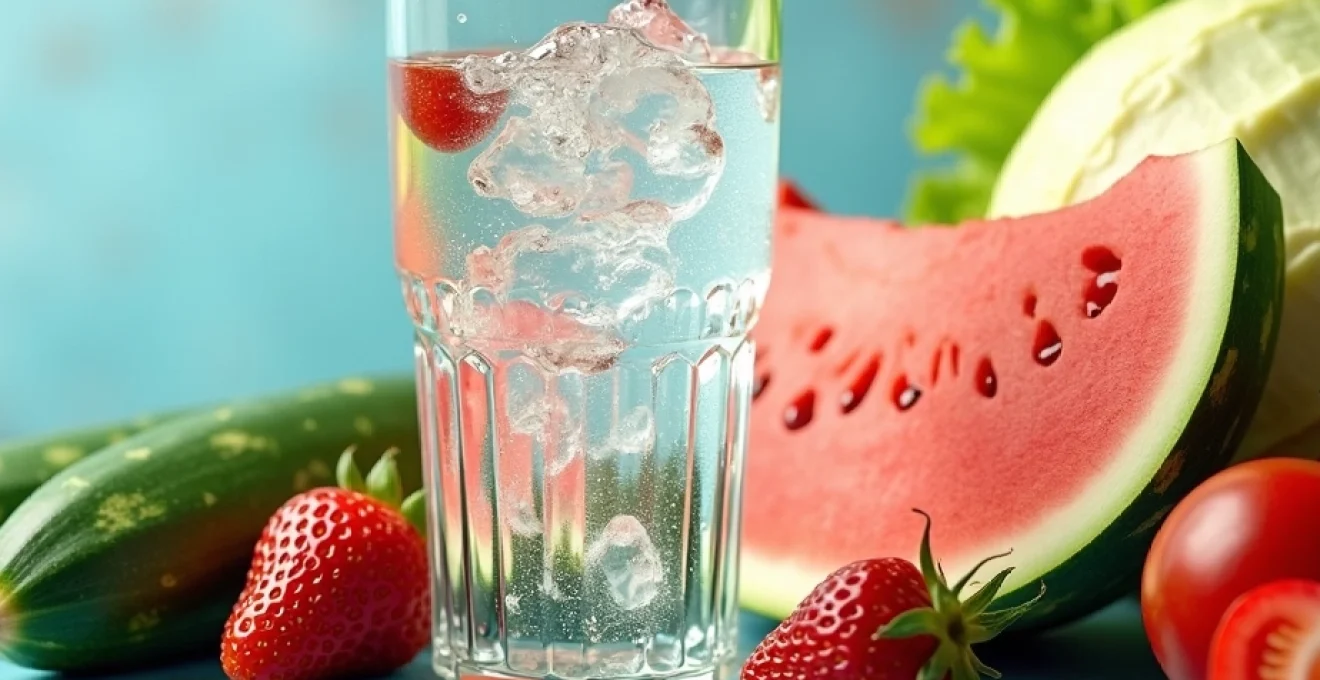
Maintaining optimal hydration extends far beyond simply drinking eight glasses of water daily. While conventional wisdom emphasises liquid consumption, the nutritional science community increasingly recognises that approximately 20% of your daily fluid intake derives from the foods you consume. This remarkable fact transforms how you might approach hydration strategy, particularly during warmer months when dehydration risks escalate significantly.
Fresh produce, dairy products, and certain prepared foods contain substantial water content alongside essential nutrients that enhance your body’s ability to retain and utilise fluids effectively. Understanding which foods provide maximum hydration benefits whilst delivering vital vitamins, minerals, and electrolytes can revolutionise your approach to maintaining proper fluid balance throughout the year.
Water content analysis: understanding hydration values in fresh produce
The water content in fresh produce varies dramatically across different varieties, with some fruits and vegetables containing over 95% water by weight. This variation depends on several factors including cellular structure, growing conditions, harvest timing, and storage methods. Understanding these hydration values enables you to make informed choices when selecting foods to support your daily fluid intake requirements.
Most water-rich foods fall into specific categories based on their cellular composition. Fruits with high water content typically store water in large vacuoles within their cells, whilst vegetables like cucumbers and lettuce maintain water through their extensive vascular systems. This structural difference affects how quickly your body can access and absorb the water content during digestion.
The bioavailability of water from food sources often exceeds that of plain water due to the presence of natural electrolytes and soluble fibres that slow gastric emptying and enhance absorption. Research indicates that foods containing natural sodium, potassium, and magnesium create optimal conditions for cellular hydration and fluid retention.
Cucumber and courgette: 96% water content vegetables for maximum hydration
Cucumbers represent the pinnacle of hydrating vegetables, containing approximately 96% water by weight alongside essential nutrients like vitamin K, potassium, and silica. Their cellular structure consists primarily of water-filled parenchyma cells surrounded by a minimal amount of structural tissue, making the water readily accessible during digestion. A single large cucumber provides nearly 200ml of water whilst contributing only 16 calories to your daily intake.
Courgettes, also known as zucchini, offer similar hydration benefits with 94-96% water content depending on size and maturity. Their versatility in both raw and cooked applications makes them excellent vehicles for increasing daily fluid intake. When cooked, courgettes actually retain most of their water content, losing only minimal amounts through evaporation whilst concentrating certain nutrients like beta-carotene and folate.
Watermelon and cantaloupe: High-Water fruits with natural electrolyte balance
Watermelon contains 92% water and provides natural electrolytes including potassium and magnesium that support proper hydration at the cellular level. The fruit’s high citrulline content may also support cardiovascular health by promoting healthy blood flow, whilst its lycopene content offers antioxidant protection. A 150g serving delivers approximately 138ml of water along with significant amounts of vitamin C and vitamin A.
Cantaloupe melon offers 90% water content with exceptional vitamin A concentrations, providing over 100% of daily requirements in a single serving. The orange pigmentation indicates high beta-carotene levels, which support immune function whilst contributing to overall hydration strategy . Its natural sugars provide quick energy whilst the water content helps maintain blood volume and supports kidney function.
Lettuce varieties: iceberg vs romaine water density comparison
Iceberg lettuce achieves remarkable 96% water content but offers limited nutritional density beyond hydration benefits. Its crisp texture results from high water pressure within cellular structures, creating the characteristic crunch whilst providing minimal calories. Despite lower nutrient density compared to darker leafy greens, iceberg lettuce serves as an excellent hydration vehicle when combined with more nutrient-dense ingredients.
Romaine lettuce contains 95% water whilst delivering significantly higher concentrations of vitamins A, C, and K, along with folate and fibre. The slightly lower water percentage reflects higher nutrient density, making romaine a superior choice for those seeking both hydration and nutritional benefits. Its robust texture withstands cooking methods whilst maintaining much of its water content.
Tomato cultivars: water retention properties in beefsteak and cherry varieties
Beefsteak tomatoes typically contain 94% water with their large size providing substantial fluid volume per serving. Their meaty texture results from larger locular cavities filled with water and gel-like substances that slow water absorption, potentially enhancing hydration duration. The high lycopene content offers additional health benefits whilst supporting overall nutritional intake.
Cherry tomatoes maintain similar water content at 94% but offer concentrated flavour and nutrients in smaller packages. Their higher surface area to volume ratio means faster water release during digestion, potentially providing more immediate hydration effects . The concentrated flavour profile makes them excellent additions to hydrating salads and snacks.
Strawberries and oranges: vitamin C enhanced hydration sources
Strawberries provide 92% water content alongside exceptional vitamin C concentrations, delivering over 100% of daily requirements per cup serving. Their natural fructose content provides gentle energy whilst the water supports cellular function and toxin elimination. The anthocyanins responsible for their red colour offer additional antioxidant benefits that complement their hydrating properties.
Oranges contain approximately 87% water with their segment structure creating natural portion control whilst maximising nutrient delivery. The combination of water, natural sugars, and electrolytes makes oranges particularly effective for post-exercise hydration. Their citric acid content may enhance mineral absorption whilst supporting kidney health and reducing kidney stone formation risk.
Bioavailability and absorption: how Food-Based water differs from pure H2O
Food-based hydration operates through fundamentally different mechanisms compared to consuming plain water. When you consume water-rich foods, the liquid component encounters natural barriers including cell walls, fibre structures, and nutrient complexes that modify absorption rates and retention duration. This controlled release system often provides superior hydration sustainability compared to rapid plain water consumption.
The presence of natural sugars, amino acids, and mineral salts in hydrating foods creates optimal osmotic conditions for cellular water uptake. These compounds facilitate sodium-glucose co-transport mechanisms that enhance water absorption in the small intestine whilst supporting electrolyte balance. Research demonstrates that foods containing these natural compounds can provide up to 15% better hydration retention compared to equivalent volumes of plain water.
The synergistic relationship between water and nutrients in whole foods creates a comprehensive hydration system that supports not just fluid balance, but overall physiological function including circulation, temperature regulation, and waste elimination.
Cellular water retention: bound vs free water in plant tissues
Plant tissues contain two distinct types of water: free water that moves easily between cells and bound water that associates closely with proteins, starches, and cell wall components. Free water provides immediate hydration benefits upon consumption, whilst bound water releases more slowly during digestion, extending hydration duration. This dual-phase water release explains why food-based hydration often feels more satisfying and longer-lasting than plain water consumption.
The ratio of bound to free water varies significantly between different foods. Leafy greens contain primarily free water due to their high vacuole content, providing rapid hydration. Root vegetables and fruits with higher starch content contain more bound water, creating sustained hydration effects. Understanding these differences enables strategic food choices based on immediate versus long-term hydration needs.
Osmotic pressure regulation: Sodium-Potassium balance in hydrating foods
Natural sodium-potassium ratios in hydrating foods create optimal conditions for cellular fluid balance without the negative effects associated with processed sodium consumption. Most fruits and vegetables provide high potassium concentrations with minimal sodium, supporting healthy blood pressure whilst enhancing cellular hydration. This natural electrolyte balance facilitates proper nerve function, muscle contraction, and fluid distribution throughout body compartments.
The potassium-rich nature of most hydrating foods actively supports kidney function by promoting sodium excretion whilst retaining necessary fluids . This mechanism helps prevent water retention and supports healthy blood pressure regulation. Foods like watermelon, cucumber, and celery provide particularly beneficial potassium-to-sodium ratios for optimal hydration support.
Gastric emptying rates: comparing liquid vs solid hydration sources
Solid foods containing high water content empty from the stomach more slowly than plain liquids, creating sustained hydration delivery to the small intestine where absorption occurs. This controlled release prevents the rapid fluid shifts that can occur with large volume plain water consumption, potentially reducing urinary losses and improving overall hydration efficiency.
The presence of fibre, proteins, and natural sugars in hydrating foods triggers different gastric emptying mechanisms compared to plain water. These components signal the stomach to regulate release rates, optimising nutrient and water absorption timing. Studies indicate that mixed meals containing hydrating foods provide superior fluid retention compared to equivalent water volumes consumed separately.
Renal function support: antidiuretic hormone response to Food-Based hydration
Food-based hydration influences antidiuretic hormone (ADH) release patterns differently than plain water consumption. The gradual water release from foods creates more stable blood osmolality, reducing the dramatic ADH fluctuations that can occur with rapid fluid intake. This stability supports consistent kidney function and reduces excessive urine production that wastes valuable fluids and electrolytes.
Natural compounds in hydrating foods, particularly potassium and magnesium, support ADH sensitivity at the cellular level. These minerals enhance the kidney’s ability to respond appropriately to hydration signals, improving water conservation when needed whilst supporting proper elimination of waste products. This sophisticated regulatory system demonstrates why whole food hydration often surpasses artificial hydration strategies.
Nutritional synergy: micronutrients that enhance hydration efficiency
The micronutrient profiles of hydrating foods create synergistic effects that enhance water absorption, retention, and utilisation throughout your body. Vitamin C, found abundantly in citrus fruits and strawberries, supports collagen synthesis essential for maintaining healthy blood vessel walls and cellular membranes. This structural support optimises fluid transport and prevents excessive water loss through compromised tissues.
Magnesium, present in high concentrations in leafy greens and cucumbers, regulates over 300 enzymatic reactions including those involved in fluid balance and cellular hydration. Adequate magnesium status enhances your body’s ability to maintain proper electrolyte gradients across cell membranes , facilitating efficient water uptake and retention. Deficiency in this crucial mineral can impair hydration regardless of fluid intake volume.
B-vitamins, particularly folate and thiamine found in many hydrating vegetables, support cellular metabolism and energy production necessary for active transport mechanisms that move water and electrolytes across cell membranes. These nutrients ensure that hydration systems function optimally even under stress or increased physical demands.
The complex interplay between water-soluble vitamins, minerals, and natural plant compounds creates a hydration environment that far exceeds what plain water alone can provide, supporting not just fluid balance but comprehensive cellular health.
Hydrating meal planning: strategic food combinations for optimal water intake
Strategic meal planning incorporating hydrating foods requires understanding how different water-rich ingredients complement each other whilst providing balanced nutrition. Combining high-water fruits with protein sources like yoghurt or cottage cheese creates meals that deliver sustained hydration alongside essential amino acids. The protein component slows gastric emptying, extending the hydration benefits whilst supporting muscle maintenance and recovery.
Creating hydrating salads involves layering different water-content vegetables to maximise fluid intake whilst ensuring nutrient diversity. Starting with a base of high-water lettuce varieties, adding cucumber, tomatoes, and bell peppers can provide over 300ml of water per serving alongside vitamins, minerals, and antioxidants. Including healthy fats through avocado or olive oil-based dressings enhances absorption of fat-soluble vitamins whilst contributing to satiety.
Soup-based meals represent perhaps the most effective way to combine hydration with comprehensive nutrition. Vegetable-based broths provide electrolytes whilst carrying water-rich vegetables, creating meals that can deliver 400-500ml of fluid alongside substantial nutritional value. Cold soups like gazpacho maximise the water content of raw vegetables whilst providing refreshing hydration during warm weather.
Smoothie combinations allow you to concentrate multiple hydrating fruits and vegetables into single servings whilst maintaining their natural water content . Blending cucumber, watermelon, and leafy greens with a small amount of liquid creates beverages that provide both immediate and sustained hydration benefits. Adding protein powder or nut butters enhances the nutritional profile whilst supporting longer-lasting satiety.
Clinical applications: hydrating foods in medical nutrition therapy
Healthcare professionals increasingly recognise hydrating foods as valuable tools in medical nutrition therapy, particularly for elderly patients who may have diminished thirst sensation or difficulty consuming adequate fluid volumes. The concentrated nutrition in water-rich foods addresses multiple health concerns simultaneously, supporting both hydration status and overall nutritional adequacy in vulnerable populations.
Patients with kidney disease benefit from the natural potassium content in many hydrating fruits and vegetables, which supports healthy blood pressure whilst providing necessary hydration. However, the approach requires careful monitoring as some individuals may need potassium restrictions. The high water content helps support kidney function whilst the nutrient density addresses common deficiencies in this population.
Cancer patients undergoing treatment often experience altered taste perception and reduced appetite, making traditional hydration approaches challenging. Water-rich foods with mild flavours like cucumber, melon, and clear broths provide gentle hydration whilst being more palatable than plain water. The nutrients in these foods also support immune function and healing processes.
Individuals with diabetes can benefit from hydrating foods’ ability to provide fluid without rapid blood sugar spikes. The fibre content in vegetables like celery and cucumber helps moderate glucose absorption whilst the water content supports kidney health. Natural fruit sugars in moderation can provide energy whilst contributing to hydration goals, though portion control remains important.
Seasonal hydration strategy: maximising Water-Rich food availability Year-Round
Developing effective seasonal hydration strategies requires understanding when different water-rich foods reach peak availability and nutritional quality. Summer months naturally provide abundance in hydrating options with peak season watermelon, cucumber, tomatoes, and stone fruits offering maximum water content alongside optimal flavour and nutrient density. Planning meals around these seasonal peaks ensures both superior hydration and cost-effectiveness.
Winter hydration strategies must adapt to seasonal produce availability whilst maintaining adequate fluid intake through food sources. Root vegetables like turnips and radishes provide substantial water content alongside warming preparation methods. Citrus fruits reach peak season during winter months, providing excellent vitamin C alongside hydration benefits. Incorporating warming soups and broths becomes particularly valuable during colder periods.
Spring brings early greens and lighter vegetables that support natural detoxification whilst providing hydration after winter’s heavier foods. Asparagus, early lettuce varieties, and fresh herbs offer renewed hydration options alongside compounds that support liver function and cellular renewal. This seasonal transition period benefits from gradually increasing raw, water-rich food consumption.
Autumn hydration focuses on preserving summer’s abundance whilst transitioning toward heartier options. Late-season tomatoes, winter squash, and stored apples provide sustained hydration options. Fermented vegetables like sauerkraut maintain water content whilst providing beneficial probiotics that support digestive health and nutrient absorption . Understanding preservation methods helps maintain hydrating food access throughout changing seasons whilst supporting overall health goals.