

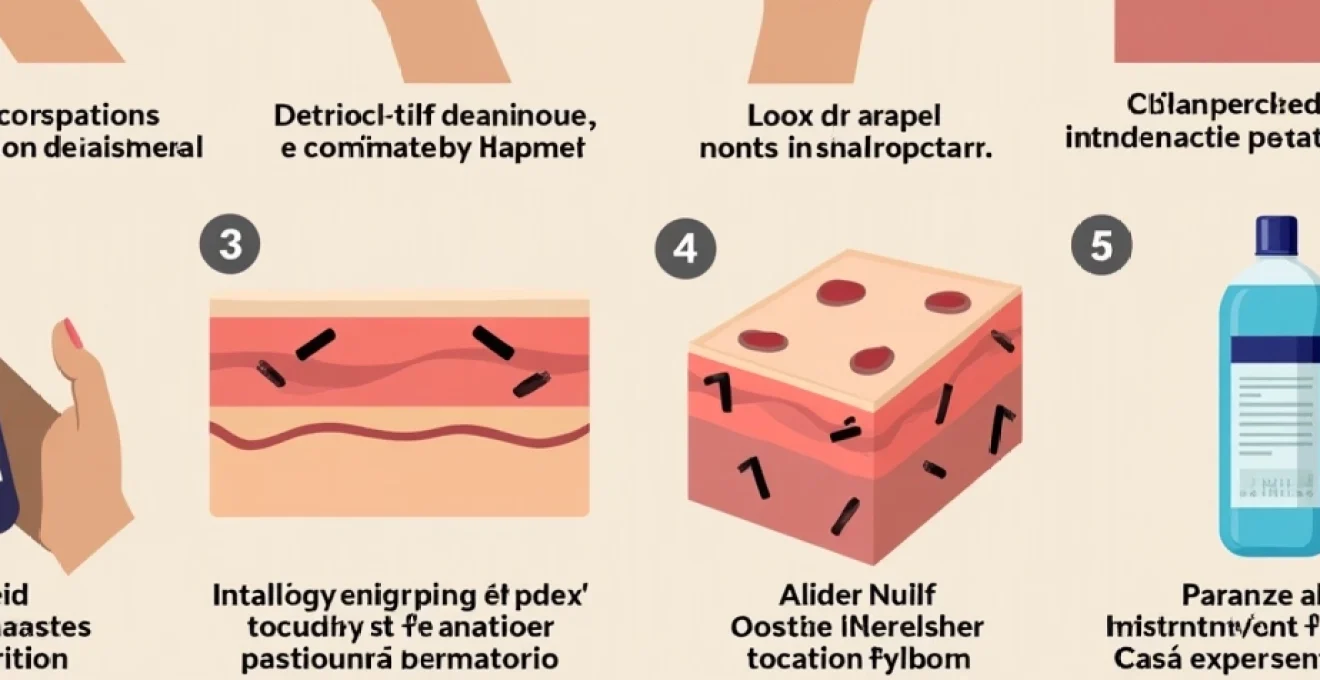
Skin irritations affect millions of people worldwide, manifesting as anything from mild redness and itching to more complex inflammatory responses. Understanding how to properly identify and manage these conditions at home can save both time and unnecessary medical expenses while providing immediate relief. The ability to distinguish between different types of dermatological issues empowers individuals to make informed decisions about when self-care is appropriate and when professional medical intervention becomes necessary. Modern dermatology recognises that many common skin conditions respond well to home-based treatments when properly identified and managed using evidence-based approaches.
Dermatological assessment techniques for common household skin conditions
Proper assessment forms the foundation of effective home treatment for skin irritations. The systematic evaluation of dermatological symptoms requires attention to specific characteristics that can differentiate between various conditions. Understanding these assessment techniques enables more accurate identification of skin problems and appropriate treatment selection.
Visual inspection protocols for erythematous lesions and inflammatory responses
Visual examination represents the primary diagnostic tool available for home assessment of skin conditions. Erythematous lesions appear as areas of redness that may indicate inflammation, infection, or allergic reactions. When conducting visual inspections, natural lighting provides the most accurate colour representation, whilst artificial lighting can distort the appearance of lesions and lead to misidentification.
The distribution pattern of skin irritations offers valuable diagnostic clues. Linear patterns often suggest contact with irritants like poison ivy, whilst circular patterns may indicate fungal infections such as ringworm. Symmetrical presentations frequently point to systemic conditions or widespread contact dermatitis, whereas asymmetrical lesions might suggest localised irritation or infection. Documenting these patterns helps track progression and treatment response over time.
Palpation methods for detecting papules, vesicles, and subcutaneous swelling
Gentle palpation provides crucial information about the texture and depth of skin lesions. Papules present as raised, solid bumps that feel firm to touch, whilst vesicles appear as small, fluid-filled elevations that may feel soft or tense depending on their contents. Proper palpation technique involves using clean fingertips with light pressure to avoid damaging delicate skin structures.
Temperature assessment through palpation reveals important information about inflammatory processes. Increased warmth typically indicates active inflammation or infection, requiring more intensive monitoring and potentially professional medical evaluation. Cool or normal temperature lesions often represent chronic conditions or non-infectious irritations that may respond well to home treatment approaches.
Documentation strategies using smartphone photography for lesion monitoring
Digital documentation has revolutionised home monitoring of dermatological conditions. Smartphone cameras provide sufficient resolution for tracking changes in lesion size, colour, and texture over time. Consistent photographic techniques, including standardised lighting, distance, and angles, ensure reliable comparisons between images taken on different dates.
Establishing a photographic protocol involves taking images from multiple angles when possible and including reference objects for scale assessment. Date-stamping images helps create chronological records that can be valuable for healthcare providers if professional consultation becomes necessary. This documentation proves particularly useful for slowly evolving conditions where day-to-day changes may not be immediately apparent.
Differential diagnosis between contact dermatitis and atopic eczema
Distinguishing between contact dermatitis and atopic eczema requires careful consideration of multiple factors. Contact dermatitis typically presents with well-defined borders corresponding to areas of exposure to irritants or allergens. The onset usually occurs within hours to days of contact, and the distribution pattern often provides clear clues about the causative agent.
Atopic eczema demonstrates different characteristics, including a tendency toward symmetrical distribution and involvement of flexural areas such as elbow and knee creases. The condition often presents with a personal or family history of allergies, asthma, or hay fever. Chronic atopic eczema may show lichenification, where the skin becomes thickened and leathery due to repeated scratching and inflammation.
Identifying acute contact dermatitis and allergic skin reactions
Contact dermatitis represents one of the most common forms of skin irritation encountered in domestic settings. Understanding the various triggers and manifestations of allergic contact dermatitis enables more effective prevention and treatment strategies. The condition can develop from either irritant contact dermatitis, caused by direct chemical damage to the skin, or allergic contact dermatitis, involving immune system hypersensitivity reactions.
Poison ivy (toxicodendron radicans) Urushiol-Induced dermatitis recognition
Poison ivy dermatitis results from exposure to urushiol, a potent allergen found in the plant’s leaves, stems, and roots. The characteristic presentation includes linear streaks of vesicles and erythema that appear 12-48 hours after exposure. The severity of reactions varies significantly between individuals, with some people developing severe blistering whilst others experience only mild irritation.
Recognition of poison ivy dermatitis relies on understanding the exposure history and characteristic appearance. The linear pattern often reflects the way plant material brushed against the skin, creating distinctive streak-like lesions. Secondary spread can occur through contaminated clothing, tools, or pet fur, leading to additional lesions that may appear days after the initial exposure.
Nickel hypersensitivity reactions from jewellery and metal fasteners
Nickel allergy affects approximately 10-15% of the population and represents one of the most common causes of allergic contact dermatitis. The reaction typically develops at sites of direct metal contact, such as earlobes from earrings, wrists from watch backs, or waistlines from belt buckles. The dermatitis often presents as erythematous, scaly patches that may become chronic with continued exposure.
Identifying nickel sensitivity involves correlating the location of dermatitis with areas of metal contact. Cross-reactivity can occur with other metals containing nickel, including some stainless steel alloys and white gold. The condition often requires complete avoidance of nickel-containing items to prevent recurrence, making identification of trigger sources crucial for long-term management.
Fragrance allergen responses to cosmetic products and detergents
Fragrance allergies affect millions of people worldwide and can develop from exposure to numerous household products. Common triggers include perfumes, scented lotions, laundry detergents, fabric softeners, and cleaning products. The resulting dermatitis may appear localised to application sites or become widespread through airborne exposure or transfer from contaminated hands.
The diagnosis of fragrance allergy often requires careful detective work to identify the specific trigger products. Patch testing can help identify specific fragrance components causing reactions, but elimination trials often provide practical guidance for avoiding problematic products. Hypoallergenic and fragrance-free alternatives are widely available for most household and personal care applications.
Latex Cross-Reactivity patterns in household rubber products
Latex allergy affects healthcare workers and others with frequent exposure to latex products, but household exposures remain significant for sensitive individuals. Common domestic sources include rubber gloves, elastic in clothing, rubber bands, and some adhesive products. The allergy can manifest as immediate urticarial reactions or delayed contact dermatitis.
Cross-reactivity between latex proteins and certain foods creates additional complexity in managing latex sensitivity. Foods such as bananas, avocados, kiwi fruits, and chestnuts contain proteins similar to latex allergens and may trigger reactions in latex-sensitive individuals. Understanding these cross-reactive patterns helps prevent unexpected allergic reactions during food preparation and consumption.
Managing seborrhoeic dermatitis and fungal skin conditions
Fungal skin conditions represent a significant category of dermatological problems that often respond well to targeted home treatments. Seborrhoeic dermatitis, caused primarily by Malassezia yeast overgrowth, affects areas rich in sebaceous glands such as the scalp, face, and upper torso. The condition presents with characteristic scaly, erythematous patches that may be accompanied by itching and flaking.
Malassezia overgrowth treatment using Ketoconazole-Based antifungals
Ketoconazole represents the gold standard for treating Malassezia-related skin conditions, available in various over-the-counter formulations including shampoos, creams, and gels. The antifungal works by disrupting fungal cell membrane synthesis, effectively reducing the yeast population responsible for seborrhoeic dermatitis symptoms. Treatment typically requires consistent application for 2-4 weeks to achieve optimal results.
The application protocol for ketoconazole products varies by formulation and affected area. Shampoo formulations should remain in contact with the scalp for 3-5 minutes before rinsing to ensure adequate penetration and antifungal activity. Topical creams and gels require thin, even application to affected areas, typically twice daily during active treatment phases. Maintenance therapy often involves reduced frequency applications to prevent recurrence of symptoms.
Tea tree oil (melaleuca alternifolia) application protocols for dermatophytes
Tea tree oil demonstrates broad-spectrum antifungal properties effective against various dermatophyte species causing conditions such as athlete’s foot, jock itch, and ringworm. The essential oil contains terpinen-4-ol and other compounds that disrupt fungal cell membranes and inhibit growth. Clinical studies support its effectiveness when used at concentrations of 5-10% for topical applications.
Proper dilution of tea tree oil is crucial for safe and effective use, as undiluted oil can cause significant skin irritation and contact dermatitis. A typical dilution involves mixing 1-2 drops of pure tea tree oil with 1 teaspoon of carrier oil such as coconut oil or olive oil. Application should be limited to affected areas twice daily, with careful monitoring for any signs of increased irritation or allergic reactions.
Selenium sulphide preparations for scalp and facial seborrhoeic areas
Selenium sulphide offers both antifungal and keratolytic properties, making it particularly effective for seborrhoeic dermatitis affecting the scalp and face. The compound works by reducing fungal populations whilst promoting the shedding of excess keratinocytes that contribute to scaling and flaking. Over-the-counter formulations typically contain 1% selenium sulphide, whilst prescription versions may contain higher concentrations.
Application of selenium sulphide shampoos requires specific timing and techniques for optimal effectiveness. The product should be worked into wet hair and scalp, then left in contact for 2-3 minutes before thorough rinsing. For facial seborrhoeic dermatitis, diluted selenium sulphide preparations can be applied as leave-on treatments, though careful avoidance of the eye area is essential due to potential irritation.
Zinc pyrithione therapeutic applications for persistent fungal infections
Zinc pyrithione provides both antimicrobial and anti-inflammatory properties that make it valuable for treating persistent fungal infections and seborrhoeic dermatitis. The compound demonstrates effectiveness against Malassezia species whilst also reducing the inflammatory response associated with fungal overgrowth. Its gentle nature makes it suitable for long-term maintenance therapy.
The versatility of zinc pyrithione allows for various application methods depending on the affected area and severity of symptoms. Dandruff shampoos containing 1-2% zinc pyrithione can be used 2-3 times weekly for scalp conditions, whilst soap bars containing the active ingredient provide convenient treatment options for body areas affected by fungal infections. Consistency in application is key to preventing recurrence of symptoms.
Topical treatment formulations and active ingredient selection
The selection of appropriate topical treatments requires understanding the different vehicle types and active ingredients available for home use. Vehicle selection significantly impacts drug penetration and patient acceptability, with creams providing moderate occlusion and hydration, ointments offering maximum occlusion for dry or lichenified skin, and lotions delivering lighter coverage for larger surface areas or hairy regions. The choice between these formulations should consider the specific skin condition, affected body area, and individual patient preferences.
Corticosteroids remain the cornerstone of anti-inflammatory treatment for many dermatological conditions. Over-the-counter hydrocortisone preparations at 0.5-1% concentration provide effective relief for mild inflammatory conditions such as contact dermatitis, insect bites, and minor eczematous reactions. Application should be limited to thin layers applied 1-2 times daily for no more than one week without medical supervision, as prolonged use can lead to skin atrophy and other adverse effects.
Antihistamines in topical formulations offer localised relief from pruritic conditions, though systemic antihistamines often provide superior results with lower risk of sensitisation. Calamine lotion represents a traditional and effective treatment for weeping or oozing lesions, providing both drying and cooling effects that reduce discomfort. Modern formulations may combine calamine with additional active ingredients such as pramoxine for enhanced anaesthetic effects.
Moisturisers and emollients play crucial roles in managing most dermatological conditions by restoring and maintaining skin barrier function. Ceramide-containing formulations help repair damaged skin barriers, whilst products containing urea or lactic acid provide mild keratolytic effects beneficial for hyperkeratotic conditions. The selection of moisturising products should consider individual skin sensitivities, with fragrance-free and hypoallergenic formulations recommended for sensitive or compromised skin.
Natural and alternative treatment options have gained popularity for home management of skin conditions, though evidence for effectiveness varies significantly between products. Aloe vera gel demonstrates anti-inflammatory and wound-healing properties supported by clinical research, making it valuable for minor burns, cuts, and inflammatory conditions. Oatmeal-based preparations provide soothing effects for itchy, irritated skin through the action of avenanthramides and beta-glucans that reduce inflammation and provide skin protection.
Emergency intervention protocols for severe dermatological reactions
Recognising when skin reactions require immediate medical attention can be life-saving, particularly in cases of severe allergic reactions or rapidly spreading infections. Anaphylactic reactions may present with skin symptoms including generalised urticaria, angioedema, and flushing, often accompanied by respiratory distress, cardiovascular collapse, or gastrointestinal symptoms. These reactions require immediate emergency medical care and may necessitate the use of epinephrine auto-injectors when available.
Cellulitis and other serious bacterial infections can develop rapidly and require urgent antibiotic therapy to prevent systemic complications. Warning signs include rapidly expanding areas of erythema, significant warmth and tenderness, red streaking extending from the affected area, fever, and systemic symptoms such as chills or malaise. The presence of these symptoms warrants immediate medical evaluation, as delayed treatment can result in serious complications including sepsis.
Stevens-Johnson syndrome and toxic epidermal necrolysis represent severe cutaneous adverse reactions that can be triggered by medications, infections, or other factors. Early recognition is crucial, as these conditions can progress rapidly and have significant mortality rates without appropriate treatment. Initial symptoms may include fever, malaise, and the development of painful, erythematous skin lesions that progress to blistering and epidermal detachment. Any suspicion of these conditions requires immediate emergency medical care.
Chemical burns from household products can cause severe skin damage requiring immediate intervention to prevent permanent injury. Initial treatment involves copious irrigation with clean water for at least 15-20 minutes, removal of contaminated clothing, and immediate medical evaluation for anything beyond minor superficial burns. Strong acids or alkalis can continue causing tissue damage even after initial contact, making prompt and thorough decontamination essential.
Certain skin reactions serve as warning signs of potentially life-threatening conditions that require immediate medical attention, including rapidly spreading infections, severe allergic reactions with systemic symptoms, and chemical exposures causing significant tissue damage.
Prevention strategies and Long-Term skin barrier maintenance
Effective prevention of skin irritations requires a comprehensive approach focusing on skin barrier maintenance, allergen avoidance, and environmental modifications. The skin barrier function depends on proper hydration, appropriate pH balance, and intact lipid bilayers that prevent excessive water loss and protect against external irritants. Daily moisturising with appropriate products helps maintain this barrier function and reduces susceptibility to various dermatological conditions.
Environmental factors play significant roles in skin health, with humidity levels, temperature extremes, and exposure to irritants all affecting skin condition. Maintaining indoor humidity levels between 40-60% helps prevent excessive dryness that can compromise skin barrier function. Air purifiers can reduce exposure to airborne allergens that may
trigger contact dermatitis and asthma exacerbations in susceptible individuals. Using fragrance-free cleaning products and laundry detergents reduces exposure to common sensitising agents that can cause both immediate and delayed hypersensitivity reactions.
Personal hygiene practices significantly impact skin health and the prevention of various dermatological conditions. Gentle cleansing with lukewarm water and mild, pH-balanced cleansers helps maintain the skin’s natural acid mantle without causing excessive dryness or irritation. Over-cleansing or using harsh soaps can disrupt the skin microbiome and compromise barrier function, leading to increased susceptibility to infections and inflammatory conditions.
Clothing selection and fabric care practices influence skin health, particularly for individuals with sensitive skin or existing dermatological conditions. Natural fibres such as cotton and silk generally cause less irritation than synthetic materials, whilst loose-fitting garments reduce friction and allow better air circulation. Washing new clothing before wearing removes manufacturing chemicals and sizing agents that may cause contact dermatitis in sensitive individuals.
Dietary factors may influence skin health through various mechanisms, including inflammatory pathways and nutrient availability for skin repair and maintenance. Anti-inflammatory foods such as fatty fish rich in omega-3 fatty acids, antioxidant-rich fruits and vegetables, and foods containing zinc and vitamin E may support skin health and reduce inflammatory responses. Avoiding known food triggers in individuals with food allergies or sensitivities prevents systemic reactions that may manifest as skin symptoms.
Stress management represents an often-overlooked aspect of skin health, as psychological stress can exacerbate many dermatological conditions including eczema, psoriasis, and seborrhoeic dermatitis. Chronic stress increases cortisol levels and promotes inflammatory pathways that can worsen existing skin conditions or trigger new ones. Regular exercise, adequate sleep, and stress-reduction techniques such as meditation or yoga can significantly improve skin health outcomes.
Sun protection remains fundamental to preventing both acute and chronic skin damage, with broad-spectrum sunscreens providing protection against both UVA and UVB radiation. Daily application of sunscreen with an SPF of at least 30 to exposed areas helps prevent photodamage, premature ageing, and reduces the risk of skin cancer development. Protective clothing and seeking shade during peak sunlight hours provide additional protection, particularly for individuals with fair skin or photosensitive conditions.
Regular skin self-examinations enable early detection of changes that may indicate developing conditions or malignancies. Monthly systematic examinations of all skin surfaces, using mirrors for difficult-to-see areas, help identify new lesions, changes in existing moles, or unusual symptoms that warrant professional evaluation. Documentation of concerning findings through photography can provide valuable information for healthcare providers and help track changes over time.
Understanding when home treatment is appropriate versus when professional medical care is necessary represents a crucial aspect of responsible self-care. Persistent symptoms lasting more than two weeks, rapidly worsening conditions, signs of bacterial infection, or systemic symptoms accompanying skin changes all indicate the need for professional medical evaluation. Additionally, individuals with compromised immune systems, diabetes, or other chronic medical conditions should seek professional care earlier in the course of skin problems due to increased risk of complications.