

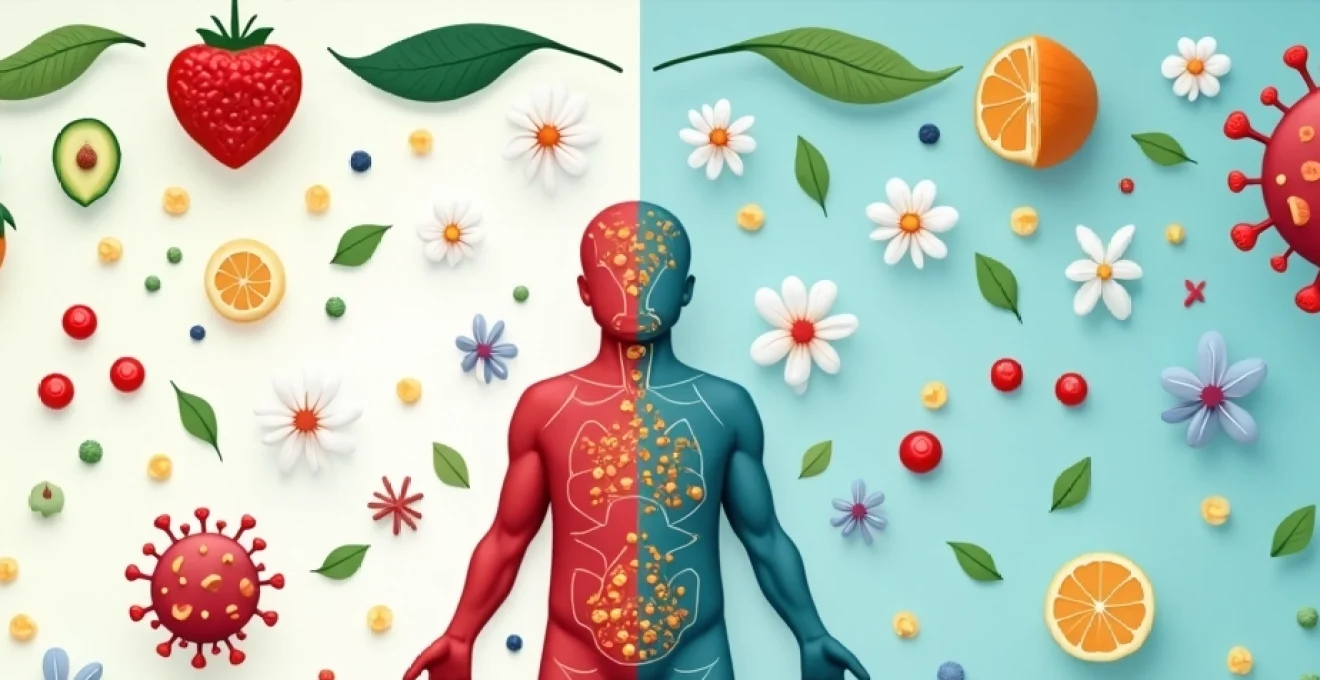
Your immune system functions as your body’s sophisticated defence network, working tirelessly to protect you from harmful pathogens, viruses, and bacteria. In today’s fast-paced world, maintaining optimal immune function has become more crucial than ever, with environmental stressors, processed foods, and sedentary lifestyles constantly challenging your body’s natural protective mechanisms. Understanding how to strengthen your immune system through evidence-based approaches can significantly impact your overall health and resilience against illness.
Modern immunological research reveals that immune function depends on a complex interplay of factors including nutrition, sleep quality, physical activity, stress management, and environmental influences. Unlike quick-fix solutions or miracle supplements, building robust immunity requires a comprehensive approach that addresses multiple biological systems simultaneously. The key lies in supporting your body’s natural processes rather than attempting to artificially boost specific components, as your immune system thrives on balance and harmony rather than overstimulation.
Evidence-based nutrition for immune system enhancement
Nutritional immunology demonstrates that specific micronutrients play critical roles in maintaining immune competence. Your dietary choices directly influence immune cell production, function, and longevity, making nutrition one of the most powerful tools for immune system optimisation. Research consistently shows that deficiencies in key vitamins and minerals can compromise immune responses, whilst adequate intake supports optimal immune function.
Vitamin D3 supplementation and calciferol metabolism
Vitamin D3, or cholecalciferol, functions as both a hormone and vitamin, playing a fundamental role in immune regulation. Your body converts vitamin D3 into its active form, calcitriol, which modulates both innate and adaptive immune responses. Studies indicate that adequate vitamin D levels are associated with reduced risk of respiratory infections and autoimmune conditions. The recommended daily intake ranges from 1000-4000 IU, though individual requirements vary based on factors including skin pigmentation, geographic location, and sun exposure patterns.
Calciferol metabolism occurs primarily in the kidneys and immune cells, where vitamin D receptors regulate gene expression related to antimicrobial peptide production. This process enhances your body’s ability to combat pathogens whilst preventing excessive inflammatory responses. Winter months and limited sun exposure make supplementation particularly important for maintaining optimal vitamin D status and supporting immune function year-round.
Zinc picolinate absorption and T-Cell function
Zinc serves as a cofactor for over 300 enzymes and plays crucial roles in immune cell development, particularly T-cell function and differentiation. Zinc picolinate offers superior bioavailability compared to other zinc forms, ensuring optimal absorption and utilisation by immune tissues. Research demonstrates that zinc deficiency significantly impairs both cellular and humoral immunity, increasing susceptibility to infections and prolonging recovery times.
T-cells, your body’s adaptive immune defenders, require adequate zinc for proper maturation and function. Zinc supports thymulin production, a hormone essential for T-cell development in the thymus gland. Additionally, zinc influences natural killer cell activity and antibody production, making it indispensable for comprehensive immune protection. The recommended daily intake ranges from 8-11mg, with higher amounts needed during periods of stress or illness.
Elderberry extract and anthocyanidin immune modulation
Elderberry (Sambucus canadensis) contains potent anthocyanidins and flavonoids that demonstrate significant immunomodulatory properties. These bioactive compounds enhance cytokine production whilst reducing excessive inflammatory responses, creating balanced immune activation. Clinical studies show elderberry extract can reduce duration and severity of upper respiratory infections by supporting natural immune responses without overstimulation.
Anthocyanidins, the purple pigments responsible for elderberry’s colour, exhibit antiviral properties by inhibiting viral replication and enhancing immune cell communication. Regular elderberry supplementation may help maintain immune vigilance during high-stress periods or seasonal challenges. Standardised extracts providing 500-1000mg daily offer optimal therapeutic benefits whilst ensuring consistent potency and quality.
Probiotic strains: lactobacillus rhamnosus and bifidobacterium longum
Your gut microbiome houses approximately 70% of your immune system, making probiotic supplementation a crucial strategy for immune enhancement. Lactobacillus rhamnosus and Bifidobacterium longum represent two extensively researched strains that demonstrate significant immunological benefits. These beneficial bacteria strengthen intestinal barrier function, modulate immune responses, and compete with pathogenic microorganisms for colonisation sites.
Research indicates that these specific strains enhance natural killer cell activity, increase immunoglobulin A production, and reduce inflammatory cytokine levels. Regular supplementation with multi-strain probiotics containing at least 10 billion CFU can improve immune resilience and reduce infection frequency. Combining probiotic supplementation with prebiotic fibres further enhances beneficial bacterial colonisation and immune system support.
Omega-3 fatty acids and Anti-Inflammatory cytokine production
Omega-3 fatty acids, particularly EPA (eicosapentaenoic acid) and DHA (docosahexaenoic acid), play essential roles in immune regulation through their influence on inflammatory pathways. These essential fats serve as precursors to specialised pro-resolving mediators (SPMs), which actively resolve inflammation and promote tissue healing. Adequate omega-3 intake helps maintain the delicate balance between immune activation and resolution.
Research demonstrates that omega-3 supplementation enhances T-cell function whilst reducing pro-inflammatory cytokine production. This dual action supports effective pathogen clearance whilst preventing chronic inflammation that can compromise immune function over time. Marine-sourced omega-3 supplements providing 2-3 grams daily of combined EPA and DHA offer optimal therapeutic benefits for immune system enhancement and overall health maintenance.
Circadian rhythm optimisation and immunocompetence
Your immune system follows distinct circadian patterns, with immune cell production, migration, and function varying throughout the 24-hour cycle. Disrupted sleep patterns and irregular circadian rhythms significantly compromise immune function, increasing susceptibility to infections and reducing vaccine effectiveness. Understanding and optimising your circadian biology represents a powerful strategy for enhancing natural immunity.
Melatonin synthesis and natural killer cell activity
Melatonin, your body’s primary sleep hormone, functions as both a circadian regulator and immune modulator. Natural melatonin synthesis begins in the evening as light exposure decreases, signalling the onset of restorative sleep phases crucial for immune system maintenance. Research demonstrates that melatonin enhances natural killer cell activity, supports T-cell function, and exhibits potent antioxidant properties that protect immune cells from oxidative damage.
Disrupted melatonin production due to artificial light exposure, shift work, or sleep disorders can significantly impair immune responses. Supporting natural melatonin synthesis through proper sleep hygiene, darkness exposure, and strategic supplementation can restore circadian immune rhythms. Low-dose melatonin supplementation (0.5-3mg) taken 30-60 minutes before desired bedtime can help re-establish healthy sleep patterns and support immune function.
Blue light exposure management through melanopsin pathways
Blue light exposure, particularly during evening hours, disrupts circadian rhythms by suppressing melatonin production through melanopsin-containing retinal ganglion cells. These specialised photoreceptors communicate directly with your body’s master clock in the suprachiasmatic nucleus, influencing immune cell rhythms throughout your body. Managing blue light exposure becomes crucial for maintaining optimal immune function and sleep quality.
Strategic blue light management involves limiting screen time 2-3 hours before bedtime, using blue light filtering glasses or software, and ensuring bright light exposure during morning hours to strengthen circadian signals. Creating distinct light-dark cycles helps maintain proper immune cell trafficking patterns, with certain immune cells being more active during sleep whilst others patrol during waking hours. This natural rhythm optimisation supports comprehensive immune surveillance and response.
Sleep architecture and immunoglobulin production
Quality sleep architecture, characterised by adequate time in both deep sleep (slow-wave sleep) and REM sleep phases, directly influences immune system function. During slow-wave sleep, your body produces growth hormone and prolactin, both crucial for immune cell proliferation and antibody production. Deep sleep phases also facilitate memory consolidation within your adaptive immune system, helping immune cells remember and respond more effectively to previously encountered pathogens.
Research reveals that sleep deprivation reduces immunoglobulin production, impairs T-cell function, and increases inflammatory markers. Achieving 7-9 hours of quality sleep nightly supports optimal immune function through multiple mechanisms including enhanced vaccine responses, improved pathogen clearance, and maintained immune cell diversity. Sleep quality matters as much as quantity, making sleep environment optimisation essential for immune system enhancement.
Temperature regulation and Cortisol-Immune system balance
Your body’s core temperature follows circadian patterns that directly influence immune function and cortisol production. Natural temperature rhythms support proper immune cell circulation, with slight temperature elevations during active hours enhancing immune surveillance whilst cooler nighttime temperatures promote restorative processes. Disrupted temperature regulation can compromise both sleep quality and immune responses.
Cortisol, your primary stress hormone, exhibits natural circadian fluctuations that coordinate with immune system activities. Healthy cortisol patterns involve morning peaks that mobilise immune resources followed by evening declines that allow immune recovery and regeneration. Chronic stress and disrupted circadian rhythms can dysregulate cortisol production, leading to immune suppression and increased infection risk. Temperature management through appropriate sleepwear, room temperature control, and strategic cooling or warming can support natural cortisol rhythms and immune function.
Optimal immune function depends on maintaining natural circadian rhythms that coordinate sleep, temperature, and hormone production in perfect synchrony.
High-intensity interval training for immune function
Exercise immunology research demonstrates that specific training modalities can enhance immune system function whilst avoiding the immune suppression associated with excessive endurance training. High-intensity interval training (HIIT) represents an optimal approach for immune system enhancement, providing sufficient stimulus to strengthen immune responses without inducing the chronic stress that compromises immunity. HIIT protocols involving short bursts of intense activity followed by recovery periods mirror natural stress-recovery patterns that support immune adaptation.
HIIT training enhances multiple aspects of immune function including natural killer cell activity, T-cell proliferation, and antibody production. The intermittent stress of interval training stimulates beneficial adaptations in immune tissues whilst allowing adequate recovery between sessions. Research indicates that 20-30 minute HIIT sessions performed 3-4 times weekly provide optimal immune benefits without risking overtraining syndrome or chronic immune suppression.
The mechanism behind HIIT’s immune benefits involves improved circulation that enhances immune cell trafficking, increased antioxidant enzyme production that protects immune cells from exercise-induced oxidative stress, and hormetic stress responses that strengthen overall resilience. HIIT also promotes better sleep quality and stress management, creating synergistic benefits for immune function. Individual training intensity should be gradually progressed to avoid excessive stress whilst maximising adaptive responses.
Recovery periods between HIIT sessions are crucial for immune system adaptation and strengthening. During recovery, your body consolidates training adaptations and repairs any exercise-induced tissue damage, processes that require robust immune function. Adequate rest, nutrition, and hydration during recovery periods ensure that exercise enhances rather than compromises immune system capabilities. Strategic exercise timing, avoiding intense training when feeling unwell or highly stressed, helps maintain the delicate balance between beneficial exercise stress and immune enhancement.
Stress management through vagus nerve stimulation
The vagus nerve, your body’s longest cranial nerve, serves as the primary communication pathway between your brain and immune system through the inflammatory reflex pathway. Chronic stress suppresses vagus nerve function, leading to increased inflammatory cytokine production and compromised immune responses. Understanding and implementing vagus nerve stimulation techniques represents a powerful strategy for immune system optimisation and stress resilience.
Vagus nerve stimulation activates the parasympathetic nervous system, promoting the rest and digest state that allows immune system recovery and regeneration. Research demonstrates that enhanced vagal tone correlates with improved immune function, reduced inflammatory markers, and better stress resilience. Simple techniques including deep breathing exercises, meditation, cold exposure, and specific physical movements can effectively stimulate vagus nerve function.
Diaphragmatic breathing represents one of the most accessible and effective vagus nerve stimulation techniques. This practice involves slow, deep breathing that expands the diaphragm and activates vagal pathways connecting to immune tissues throughout your body. Practising 4-7-8 breathing (inhaling for 4 counts, holding for 7, exhaling for 8) for 10-15 minutes daily can significantly improve vagal tone and immune function. The rhythmic stimulation of vagal pathways helps regulate inflammatory responses and promotes immune system balance.
Cold exposure therapy, including cold showers, ice baths, or cryotherapy, provides another powerful method for vagus nerve stimulation and immune enhancement. Controlled cold stress activates vagal pathways whilst stimulating brown adipose tissue, which produces anti-inflammatory compounds that support immune function. Starting with 30-60 second cold exposures and gradually increasing duration allows adaptation whilst maximising benefits. The hormetic stress of cold exposure strengthens both stress resilience and immune system function through vagally-mediated pathways.
Vagus nerve stimulation creates a direct pathway for stress management techniques to enhance immune system function through measurable physiological changes.
Environmental factors and microbiome diversification
Your surrounding environment profoundly influences immune system development and function through its impact on microbiome diversity and exposure to beneficial microorganisms. Modern lifestyle factors including excessive hygiene, reduced contact with nature, and sterile indoor environments can compromise immune system training and resilience. Understanding how environmental factors shape immunity enables strategic modifications that support optimal immune function naturally.
Microbiome diversity serves as a key indicator of immune system health, with greater bacterial diversity correlating with enhanced immune responses and reduced autoimmune disease risk. Environmental factors that promote microbiome diversity include regular exposure to natural environments, consumption of diverse plant foods, minimising unnecessary antibiotic use, and avoiding excessive antimicrobial products. Each of these factors contributes to maintaining the rich microbial ecosystem that supports immune system development and function throughout life.
Indoor air quality significantly impacts respiratory immunity and overall immune function through exposure to pollutants, allergens, and reduced microbial diversity. Improving indoor air quality through proper ventilation, air filtration systems, and houseplants that naturally purify air can reduce immune system burden whilst supporting respiratory health. Spending time in natural environments exposes you to beneficial environmental microbes that help train and strengthen immune responses through controlled, low-level microbial exposure.
The hygiene hypothesis suggests that excessive cleanliness during early development may compromise immune system training, leading to increased allergy and autoimmune disease rates. While maintaining appropriate hygiene remains important for preventing serious infections, allowing some exposure to environmental microbes supports immune system education and balance. This principle applies throughout life, with regular exposure to diverse environments and minimal use of antimicrobial products helping maintain immune system robustness and appropriate responses to genuine threats rather than harmless environmental substances.
Seasonal immune challenges require proactive environmental modifications that support immune function during high-risk periods. These modifications include maintaining optimal humidity levels (40-60%) to prevent respiratory tract drying, ensuring adequate ventilation to reduce pathogen concentration, and supporting beneficial microbial diversity through fermented foods and probiotic supplementation. Creating environments that support rather than challenge immune function represents a fundamental strategy for maintaining health and resilience throughout the year.