

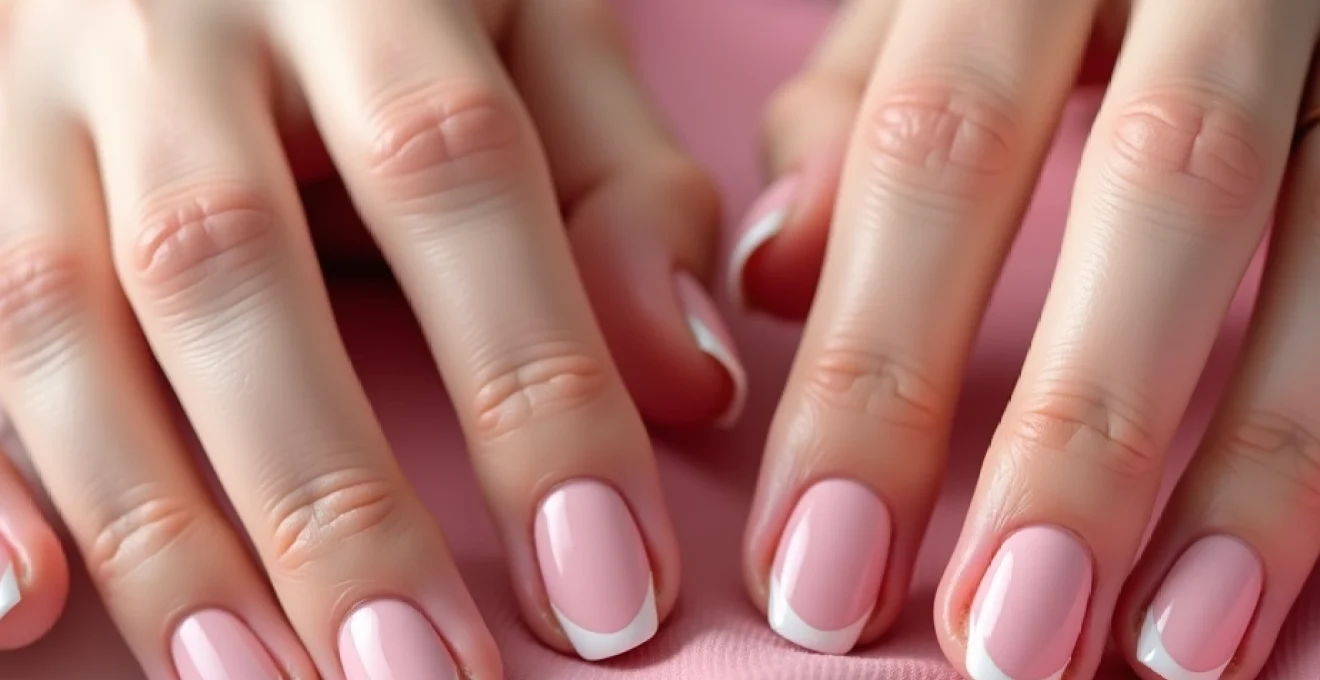
Nail brittleness affects millions of people worldwide, manifesting as splitting, cracking, peeling, and overall weakness in the nail structure. While many view brittle nails as merely a cosmetic concern, they often signal underlying health issues ranging from nutritional deficiencies to circulatory problems. Understanding the complex interplay between nail anatomy, nutrition, and external factors is essential for developing an effective maintenance strategy that promotes long-term nail health and prevents the frustrating cycle of brittleness and breakage.
Nail anatomy and physiological factors affecting keratin strength
The nail structure comprises several interconnected components that work together to produce strong, healthy nails. The nail matrix, located beneath the skin at the base of each nail, serves as the primary growth centre where specialised cells divide and differentiate to form the nail plate. This complex process involves the production of keratin proteins, which determine the nail’s ultimate strength and flexibility.
Matrix cell production and keratinisation process
The nail matrix functions as a highly active tissue where basal cells undergo rapid division and gradual keratinisation. During this process, cells migrate outward from the matrix, accumulating keratin proteins and losing their cellular organelles to become the hardened nail plate. The efficiency of this keratinisation process directly influences nail strength, with optimal conditions requiring adequate protein synthesis, proper cellular hydration, and sufficient nutrient availability.
Environmental factors significantly impact matrix cell production rates. Temperature fluctuations, hormonal changes, and stress levels can all alter the speed and quality of nail growth. Research indicates that nail growth rates vary seasonally, with faster growth typically occurring during warmer months when circulation improves. Understanding these natural variations helps explain why some individuals experience periodic changes in nail strength and appearance.
Nail plate thickness variations and genetic predisposition
Nail plate thickness varies considerably between individuals, influenced by genetic factors, age, and overall health status. Typical nail plate thickness ranges from 0.5 to 0.75 millimetres, with variations affecting susceptibility to brittleness and breakage. Genetic predisposition plays a significant role in determining baseline nail characteristics, including growth rate, thickness, and inherent strength.
Age-related changes in nail plate composition contribute to increased brittleness over time. As individuals age, the nail matrix produces fewer cells, resulting in thinner nail plates with reduced keratin density. Hormonal fluctuations, particularly during menopause, can accelerate these age-related changes, leading to increased nail fragility and slower growth rates.
Cuticle barrier function and moisture retention
The cuticle serves as a crucial protective barrier, preventing bacterial and fungal infections while maintaining optimal moisture levels within the nail structure. This thin layer of skin adheres tightly to the nail plate, creating a seal that prevents water loss and protects the underlying matrix from environmental damage. Proper cuticle health directly correlates with overall nail strength and flexibility.
Cuticle damage from aggressive removal, chemical exposure, or excessive dryness compromises the nail’s protective barrier, leading to increased brittleness and susceptibility to infection. Maintaining cuticle integrity requires gentle care practices, regular moisturisation, and protection from harsh chemicals. Healthy cuticles appear smooth, flexible, and free from cracks or excessive dryness .
Blood circulation impact on nail bed health
The nail bed contains an extensive network of blood vessels that supply essential nutrients and oxygen to the growing nail. Poor circulation can significantly impact nail growth and strength, leading to thin, weak nails that break easily. Conditions affecting peripheral circulation, such as diabetes or cardiovascular disease, often manifest as changes in nail appearance and growth patterns.
Cold exposure, smoking, and certain medications can restrict blood flow to the nail bed, compromising nutrient delivery and waste removal. Regular hand and finger exercises, massage, and maintaining warm temperatures help promote optimal circulation. Improved circulation supports faster nail growth and enhanced strength development .
Nutritional deficiencies linked to brittle nail syndrome
Nutritional status profoundly influences nail health, with specific deficiencies directly correlating to brittleness and other nail abnormalities. The nail structure requires a constant supply of proteins, vitamins, and minerals to maintain optimal growth and strength. Identifying and addressing nutritional gaps represents one of the most effective approaches to preventing and treating brittle nail syndrome.
Biotin deficiency and keratin synthesis disruption
Biotin, also known as vitamin B7, plays a fundamental role in keratin synthesis and nail structure formation. This water-soluble vitamin acts as a cofactor in numerous enzymatic reactions involved in protein metabolism and cellular energy production. Biotin deficiency disrupts the normal keratinisation process, resulting in weak, brittle nails that split and break easily.
Clinical studies demonstrate that biotin supplementation significantly improves nail thickness and reduces brittleness in deficient individuals. Daily biotin requirements typically range from 30 to 100 micrograms for adults, with higher doses often recommended for individuals with diagnosed deficiencies. Natural biotin sources include eggs, nuts, seeds, fish, and leafy green vegetables.
Research indicates that consistent biotin supplementation over six months can increase nail thickness by up to 25% in individuals with brittle nail syndrome.
Iron deficiency anaemia and koilonychia development
Iron deficiency represents one of the most common nutritional causes of nail abnormalities, particularly the development of koilonychia or spoon-shaped nails. Iron serves as an essential component of haemoglobin and various enzymes involved in cellular metabolism and nail growth. When iron stores become depleted, the body prioritises vital organ function over nail health, leading to characteristic changes in nail appearance and strength.
Early signs of iron deficiency in nails include pallor, thinning, and increased fragility before the development of more severe deformities. Addressing iron deficiency requires both dietary modifications and, in some cases, supplementation under medical supervision. Iron-rich foods include red meat, poultry, fish, legumes, and fortified cereals, with vitamin C consumption enhancing iron absorption.
Zinc depletion effects on nail plate formation
Zinc plays a crucial role in protein synthesis, cell division, and wound healing processes essential for healthy nail growth. This trace mineral participates in over 300 enzymatic reactions throughout the body, including those involved in keratin production and nail matrix cell division. Zinc deficiency manifests in nails as white spots, delayed growth, and increased brittleness.
Dietary sources of zinc include shellfish, meat, dairy products, nuts, and whole grains. The recommended daily allowance for zinc ranges from 8-11 milligrams for adults, with higher requirements during periods of stress, illness, or rapid growth. Zinc absorption can be impaired by certain medications and dietary factors , making assessment of nutritional status important for individuals with persistent nail problems.
Protein malnutrition and amino acid requirements
Nails consist primarily of keratin proteins, making adequate protein intake essential for nail health and strength. Protein malnutrition affects nail growth rates and structural integrity, leading to thin, weak nails that break easily. The body requires specific amino acids, including cysteine, methionine, and arginine, for optimal keratin synthesis.
Complete proteins from animal sources provide all essential amino acids necessary for nail health, while plant-based proteins may require careful combining to ensure adequate amino acid profiles. Daily protein requirements for healthy adults typically range from 0.8 to 1.2 grams per kilogram of body weight, with higher needs during periods of stress or recovery from illness.
Essential fatty acids and nail flexibility maintenance
Essential fatty acids, particularly omega-3 and omega-6 fatty acids, contribute to nail flexibility and moisture retention. These fats help maintain the lipid barrier function of the nail and surrounding skin, preventing excessive dryness and brittleness. Deficiencies in essential fatty acids can result in dry, inflexible nails that crack and split under normal stress.
Rich sources of omega-3 fatty acids include fatty fish, flaxseeds, walnuts, and chia seeds, while omega-6 fatty acids are found in vegetable oils, nuts, and seeds. Maintaining an appropriate balance between these fatty acids supports overall nail health and reduces inflammation that can impair nail growth and strength.
Professional nail care techniques and maintenance protocols
Professional nail care extends beyond basic hygiene to encompass specialised techniques and treatments designed to strengthen nails and prevent brittleness. Understanding proper maintenance protocols enables individuals to implement effective care routines that support long-term nail health. These techniques focus on preserving nail integrity while promoting optimal growth conditions.
Cuticle oil application using jojoba and argan formulations
Cuticle oils containing jojoba and argan oil provide superior moisturisation and protection for the nail and surrounding skin. Jojoba oil closely mimics the natural sebum produced by human skin, allowing for excellent absorption and long-lasting hydration. Argan oil contains high concentrations of vitamin E and essential fatty acids that support nail flexibility and strength.
Proper application technique involves massaging a small amount of oil into the cuticle area and nail bed using gentle circular motions. This massage action stimulates blood circulation while delivering nutrients directly to the nail matrix. Daily cuticle oil application can significantly reduce nail breakage and improve overall appearance . The oils should be applied to clean, dry nails for optimal absorption and effectiveness.
Nail strengthening treatments with calcium hydroxide
Calcium hydroxide-based nail treatments provide temporary strengthening effects by creating a protective coating over the nail surface. These treatments work by depositing calcium ions into the nail plate structure, increasing hardness and resistance to breakage. However, overuse of calcium-based strengtheners can lead to excessive rigidity and increased susceptibility to cracking.
Professional application of strengthening treatments ensures proper concentration and timing to maximise benefits while minimising risks. These treatments are particularly beneficial for individuals with naturally soft nails or those recovering from chemical damage. Regular assessment of nail condition helps determine appropriate treatment frequency and prevents over-strengthening.
Professional manicure techniques for brittle nails
Specialised manicure techniques for brittle nails focus on gentle handling and protective measures to prevent further damage. These techniques include careful filing with fine-grit files, minimal cuticle manipulation, and the use of strengthening base coats before colour application. Professional manicurists trained in brittle nail care understand the importance of avoiding aggressive techniques that can worsen existing problems.
The filing process requires particular attention to direction and pressure, with gentle strokes in one direction preferred over back-and-forth sawing motions. Nail length should be maintained at moderate levels to reduce stress concentration at the free edge. Professional techniques can extend the time between manicures while maintaining nail health .
Buffing methods to prevent surface damage
Proper buffing techniques smooth nail surface irregularities without removing excessive nail plate material. Light buffing with fine-grade buffers helps create an even surface for polish application while maintaining nail thickness. Over-buffing represents a common cause of nail weakening, as it removes protective layers of the nail plate.
Professional buffing follows a systematic approach, beginning with the coarsest buffer needed and progressing to finer grits for finishing. The process should never thin the nail significantly or create heat through friction. Regular assessment of nail plate thickness helps determine when buffing should be minimised or avoided entirely.
Chemical exposure prevention and protective measures
Chemical exposure represents a significant threat to nail health, with everyday household products and professional chemicals capable of causing substantial damage to nail structure and surrounding skin. Developing comprehensive protection strategies helps maintain nail integrity while allowing individuals to perform necessary daily activities. Understanding which chemicals pose the greatest risks enables targeted prevention efforts.
Household cleaning products contain harsh detergents, solvents, and bleaching agents that strip natural oils from nails and surrounding skin. Prolonged or repeated exposure to these chemicals leads to dehydration, brittleness, and increased susceptibility to breakage. Professional-grade chemicals used in certain occupations pose even greater risks, requiring specialised protective equipment and handling procedures.
Acetone-based nail polish removers represent one of the most common sources of chemical damage to nails. These solvents dissolve not only nail polish but also natural lipids within the nail plate, leading to severe dehydration and weakening. Limiting acetone exposure and using gentler alternatives significantly improves nail health outcomes . Non-acetone removers, while requiring more time and effort, preserve nail moisture and structural integrity.
Protective measures include wearing appropriate gloves during cleaning activities, using tools instead of nails for scraping or opening containers, and maintaining barriers between nails and harsh chemicals. Nitrile gloves provide superior chemical resistance compared to latex or vinyl alternatives, offering better protection during extended exposure periods. Regular glove replacement ensures continued protection as materials degrade over time.
Studies show that consistent glove use during household cleaning activities reduces nail brittleness by up to 40% compared to unprotected exposure.
Post-exposure care involves immediate thorough rinsing with lukewarm water followed by application of moisturising treatments. Neutralising alkaline cleaning products with mild acidic solutions, such as diluted vinegar, can help restore natural pH balance. However, this approach requires careful attention to avoid creating harmful chemical reactions.
Occupational chemical exposure requires more sophisticated protection strategies, including engineering controls, personal protective equipment, and regular health monitoring. Workers in industries such as healthcare, manufacturing, and automotive repair face particular risks that demand comprehensive safety programs. Regular nail health assessments can identify early signs of chemical damage before permanent injury occurs .
Medical conditions and pharmaceutical interventions for nail brittleness
Various medical conditions contribute to nail brittleness through different mechanisms, including hormonal imbalances, autoimmune processes, and systemic diseases affecting circulation or metabolism. Identifying underlying medical causes enables targeted treatment approaches that address root causes rather than merely managing symptoms. Early recognition and intervention often prevent progression to more severe nail abnormalities.
Thyroid disorders, particularly hypothyroidism, commonly cause nail brittleness along with other characteristic symptoms such as fatigue, weight gain, and hair loss. Thyroid hormones directly influence nail growth rates and structural protein synthesis, with deficiencies leading to slow-growing, weak nails. Proper thyroid hormone replacement therapy typically restores normal nail growth and strength within several months of treatment initiation.
Autoimmune conditions such as psoriasis and eczema can affect nail health through inflammatory processes that disrupt normal growth patterns. These conditions often require specialised dermatological treatments, including topical corticosteroids, immunomodulators, or systemic therapies for severe cases. Coordinated care between dermatologists and primary care physicians optimises treatment outcomes for complex cases .
Diabetes mellitus affects nail health through multiple mechanisms, including reduced circulation, impaired wound healing, and increased infection risk. Diabetic individuals require particular attention to nail care, as minor injuries can lead to serious complications. Regular podiatric care and careful blood glucose control help maintain nail health in diabetic patients.
Pharmaceutical interventions for nail brittleness include both topical and systemic treatments depending on the underlying cause and severity of symptoms. Prescription nail lacquers containing active ingredients such as ciclopirox or amorolfine can strengthen nails while treating concurrent fungal infections. These treatments require consistent application over extended periods to achieve optimal results.
Clinical trials demonstrate that prescription nail strengthening treatments can improve nail thickness and reduce brittleness by 60-80% within six months of consistent use.
Systemic treatments may include biotin supplementation at therapeutic doses, hormone replacement therapy for endocrine disorders, or immunosuppressive medications for autoimmune conditions. These treatments require medical supervision and regular monitoring to assess effectiveness and identify potential side effects. The complex interaction between various medications and nail health necessitates careful medication review in patients with persistent nail problems.
Emerging treatments for severe nail brittleness include platelet-rich plasma therapy and other regenerative medicine approaches that stimulate nail matrix activity and improve local circulation. While these treatments show promise in early studies, they remain investigational and require further research to establish optimal protocols and long-term safety profiles. Patient selection criteria and treatment protocols continue to evolve as clinical experience expands with these innovative approaches.