

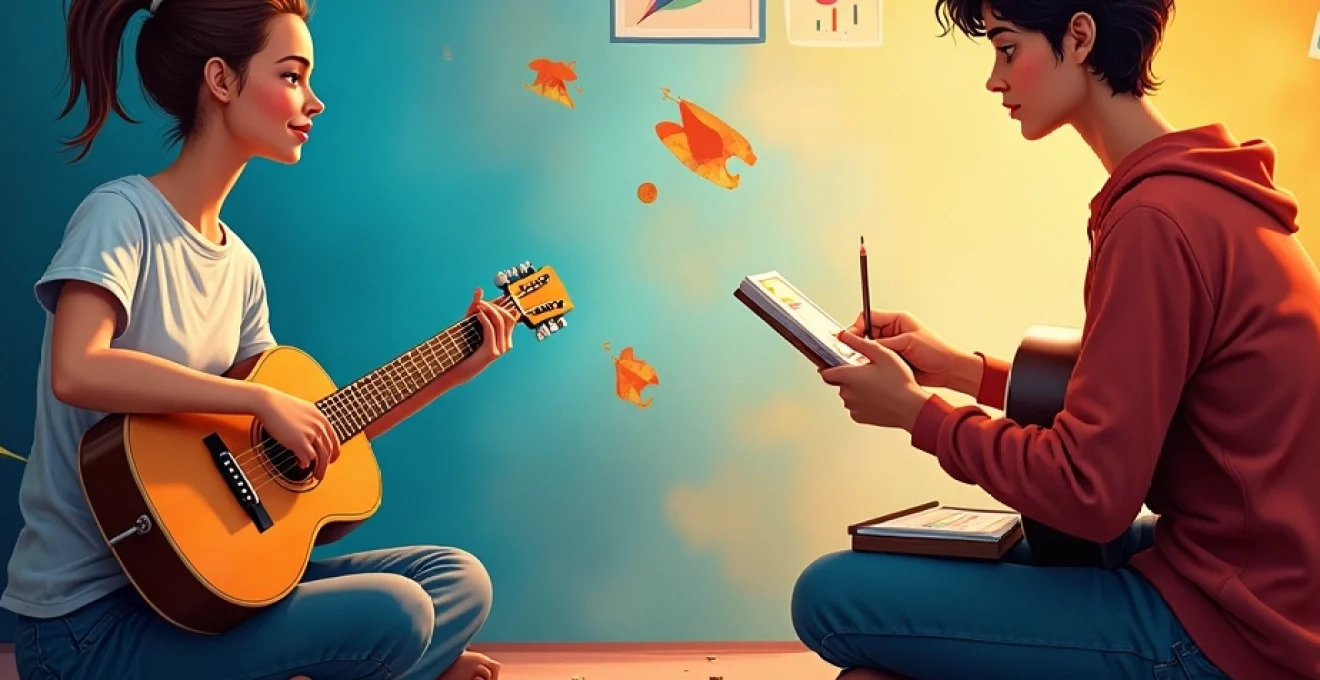
The human brain responds to creative expression in profound ways that extend far beyond simple enjoyment or aesthetic appreciation. When individuals engage with artistic mediums or musical activities under therapeutic guidance, complex neurological processes activate to promote emotional healing and psychological well-being. This phenomenon has captured the attention of neuroscientists, mental health professionals, and medical researchers who seek to understand the precise mechanisms through which creative therapies deliver measurable therapeutic benefits.
Modern neuroscience reveals that both art and music therapy trigger specific brain networks associated with emotional regulation, stress reduction, and cognitive processing. These evidence-based interventions have demonstrated remarkable success across diverse clinical populations, from trauma survivors to individuals with neurodevelopmental conditions. The growing body of research supporting these modalities has elevated creative therapies from complementary treatments to primary therapeutic interventions in many healthcare settings.
Neuroplasticity mechanisms in art therapy interventions
The therapeutic power of visual arts stems from its unique ability to reshape neural pathways through targeted neuroplasticity mechanisms. When you engage in artistic creation, multiple brain regions simultaneously activate to process visual information, coordinate motor movements, and integrate emotional responses. This multi-modal activation creates new synaptic connections whilst strengthening existing neural networks responsible for emotional regulation and cognitive flexibility.
Dopamine release pathways through creative expression
Creative artistic activities trigger substantial dopamine release within the brain’s reward circuitry, particularly in the ventral tegmental area and nucleus accumbens. This neurochemical response mirrors the effects of other pleasurable experiences but maintains therapeutic value through its sustained duration and positive associations with self-expression. Research indicates that individuals participating in structured art therapy sessions show elevated dopamine levels for up to 45 minutes post-activity, contributing to improved mood stability and reduced anxiety symptoms.
The dopamine pathways activated during artistic creation also enhance motivation and goal-directed behaviour. When you complete an artistic project, your brain reinforces the neural circuits associated with accomplishment and self-efficacy. This biochemical reward system proves particularly beneficial for individuals experiencing depression or low self-esteem, as it provides tangible evidence of personal capability and creative potential.
Cortisol reduction via visual arts processing
Engagement with visual arts demonstrates measurable impacts on cortisol production, the primary stress hormone responsible for the body’s fight-or-flight response. Studies utilising salivary cortisol measurements reveal significant reductions in stress hormone levels following structured art therapy sessions. The rhythmic, meditative nature of activities such as drawing or painting activates the parasympathetic nervous system, which directly counteracts cortisol release and promotes physiological relaxation.
The cortisol reduction effects appear most pronounced during non-directive artistic activities where participants can freely express themselves without performance pressure. This suggests that the therapeutic benefits arise from the process itself rather than the end product, emphasising the importance of creating safe, non-judgemental therapeutic environments for optimal stress reduction outcomes.
Mirror neuron activation in sculpture and clay work
Three-dimensional artistic mediums like sculpture and clay work activate mirror neuron systems in ways that two-dimensional art forms cannot replicate. These specialised neurons fire both when performing an action and when observing others perform similar actions, creating powerful opportunities for empathy development and emotional processing. When you manipulate clay or sculpting materials, mirror neurons integrate tactile, proprioceptive, and visual information to create comprehensive sensory experiences.
The bilateral hand coordination required for sculptural work particularly benefits individuals with trauma histories, as it promotes integration between the brain’s left and right hemispheres. This cross-lateral activation helps process traumatic memories whilst simultaneously building new, positive associations with physical manipulation and creative control.
Prefrontal cortex engagement during painting sessions
Painting activities specifically engage the prefrontal cortex, the brain region responsible for executive function, decision-making, and emotional regulation. The complex cognitive demands of colour selection, composition planning, and brushstroke execution require sustained prefrontal activation, which strengthens these neural networks over time. This enhanced prefrontal function translates to improved emotional self-regulation and better stress management in daily life situations.
Neuroimaging studies demonstrate that regular painting practice increases grey matter density in prefrontal regions, suggesting that art therapy creates lasting structural brain changes. These modifications support long-term therapeutic gains that extend well beyond individual therapy sessions.
Evidence-based music therapy modalities for emotional regulation
Music therapy encompasses diverse therapeutic approaches, each designed to target specific emotional and psychological needs through structured musical interventions. The field has developed sophisticated methodologies that leverage music’s unique capacity to bypass cognitive defences and directly access emotional processing centres. These evidence-based modalities demonstrate particular effectiveness for individuals who struggle with traditional talk therapy approaches or who require alternative means of emotional expression.
Nordoff-robbins approach for Trauma-Informed care
The Nordoff-Robbins approach emphasises improvisational music-making as a primary therapeutic tool, particularly valuable for trauma survivors who may struggle with verbal communication. This method recognises that traumatic experiences often become stored in non-verbal memory systems, making musical expression an ideal pathway for processing and integrating difficult emotions. Therapists utilising this approach create supportive musical environments where clients can safely explore their emotional landscapes through spontaneous musical creation.
Clinical research demonstrates that trauma survivors participating in Nordoff-Robbins music therapy show significant reductions in hypervigilance, dissociation, and emotional numbing. The improvisational nature of this approach allows individuals to maintain complete control over their therapeutic experience whilst receiving skilled musical support from trained therapists.
Guided imagery and music (GIM) protocol implementation
Guided Imagery and Music represents a sophisticated therapeutic protocol that combines carefully selected classical music with facilitated imagery experiences. This approach induces altered states of consciousness that promote deep psychological processing and emotional integration. The GIM protocol follows specific phases, beginning with relaxation induction, progressing through guided musical listening, and concluding with integration discussions that help clients process their experiences.
Neuroimaging studies of GIM sessions reveal increased activity in the limbic system and default mode network, brain regions associated with autobiographical memory and self-referential thinking. This neural activation pattern supports the method’s effectiveness for addressing complex psychological issues such as grief, identity concerns, and relationship difficulties.
Neurologic music therapy sensorimotor techniques
Neurologic Music Therapy utilises specific musical elements to target sensorimotor function and emotional regulation simultaneously. Rhythmic patterns activate the motor cortex and cerebellum, whilst melodic elements engage emotional processing centres. This dual activation proves particularly beneficial for individuals with neurological conditions or those seeking to improve both physical coordination and emotional stability.
The sensorimotor integration achieved through these techniques helps individuals develop better body awareness and emotional grounding. Research indicates that regular participation in neurologic music therapy can improve proprioception, reduce anxiety symptoms, and enhance overall emotional regulation capabilities.
Analytical music therapy methods by mary priestley
Analytical Music Therapy integrates psychoanalytic principles with musical improvisation to facilitate deep psychological exploration. This method encourages clients to use musical instruments as extensions of their unconscious minds, allowing repressed emotions and conflicts to emerge through spontaneous musical expression. The therapeutic process involves creating musical representations of internal psychological states, followed by analytical discussions that promote insight and emotional integration.
Practitioners of this approach report particular success with individuals experiencing depression, anxiety disorders, and personality difficulties. The method’s emphasis on symbolic musical expression provides safe opportunities to explore challenging psychological material whilst maintaining therapeutic boundaries and emotional safety.
Community music therapy social integration models
Community Music Therapy extends individual therapeutic benefits into group settings, promoting social connection and collective healing experiences. These models recognise that emotional healing often occurs most effectively within supportive community contexts. Participants engage in collaborative musical activities that foster empathy, communication skills, and social bonding whilst simultaneously addressing individual therapeutic goals.
The social integration achieved through community music therapy proves particularly valuable for individuals recovering from addiction, experiencing social isolation, or managing chronic mental health conditions. Group musical experiences create opportunities for mutual support, shared accomplishment, and the development of healthy social relationships that support long-term emotional stability.
Psychophysiological responses to combined Arts-Based interventions
The integration of multiple creative modalities produces measurable physiological changes that demonstrate the profound impact of arts-based interventions on human stress response systems. Advanced monitoring technologies now enable researchers to track real-time physiological responses during therapeutic creative activities, providing objective evidence of their therapeutic mechanisms. These measurements reveal that combined arts interventions affect multiple bodily systems simultaneously, creating comprehensive healing responses that extend far beyond psychological benefits alone.
Heart rate variability changes during drumming circles
Drumming activities produce distinctive heart rate variability patterns that indicate enhanced autonomic nervous system regulation. Participants in drumming circles demonstrate increased coherence between heart rate and breathing patterns, suggesting improved cardiovascular health and stress resilience. The rhythmic nature of drumming appears to entrain cardiac rhythms, promoting synchronisation between multiple physiological systems.
Research utilising continuous heart rate monitoring reveals that group drumming sessions can normalise heart rate variability in individuals with anxiety disorders within just 20 minutes of activity. This rapid physiological response suggests that drumming interventions could serve as effective acute stress management tools in clinical and community settings.
Electroencephalography patterns in Art-Making states
Electroencephalography monitoring during artistic creation reveals distinctive brainwave patterns characterised by increased alpha and theta frequencies. These patterns indicate states of relaxed alertness and creative flow that promote both psychological well-being and cognitive flexibility. The alpha wave dominance observed during art-making resembles patterns seen in meditation practices, suggesting shared neurological mechanisms between creative expression and mindfulness states.
Participants demonstrating high alpha activity during art therapy sessions show greater therapeutic gains and report enhanced emotional regulation abilities. This correlation suggests that achieving optimal brainwave states may predict therapeutic success and could guide treatment planning decisions.
Galvanic skin response measurements in music improvisation
Galvanic skin response monitoring during musical improvisation reveals dynamic patterns of autonomic activation that correlate with emotional expression and processing. Initial increases in skin conductance typically occur during emotionally challenging musical expressions, followed by gradual decreases as individuals achieve emotional release and integration. These patterns provide objective measures of emotional processing that complement subjective therapeutic assessments.
The galvanic skin response data demonstrates that musical improvisation facilitates genuine emotional expression rather than mere intellectual engagement. This physiological evidence supports the use of improvisational techniques for individuals who may intellectualise their emotions or struggle with authentic emotional expression in traditional therapy settings.
Salivary cortisol biomarkers Post-Creative sessions
Salivary cortisol measurements provide reliable indicators of stress hormone reduction following creative therapy interventions. Studies consistently demonstrate significant cortisol decreases ranging from 25-45% immediately following structured creative activities, with sustained reductions lasting up to two hours post-session. These biochemical changes indicate genuine physiological stress reduction rather than temporary mood improvements alone.
The magnitude of cortisol reduction achieved through creative therapies often equals or exceeds that produced by pharmaceutical anxiolytic interventions, highlighting the powerful physiological impact of artistic expression.
Long-term participants in creative therapy programmes show baseline cortisol reductions that suggest lasting improvements in stress response capacity. This finding indicates that regular creative practice can fundamentally alter stress hormone production patterns, supporting the use of arts-based interventions as preventive mental health strategies.
Clinical applications across mental health diagnoses
The versatility of arts-based therapeutic interventions becomes evident when examining their applications across diverse mental health conditions. Different diagnostic categories respond uniquely to specific creative modalities, requiring tailored approaches that match intervention strategies to individual symptom presentations and therapeutic goals. Mental health professionals increasingly recognise that creative therapies offer valuable alternatives to traditional treatment approaches, particularly for individuals who show limited response to conventional interventions or who prefer non-verbal therapeutic modalities.
Depression treatment through creative therapies focuses on activating reward pathways and rebuilding positive self-regard through accomplishment-based activities. Individuals with major depressive disorder often experience renewed sense of purpose and capability when engaging with artistic creation, as the tangible nature of creative output provides concrete evidence of personal agency and skill. Music therapy interventions for depression typically emphasise mood elevation through structured listening experiences and collaborative music-making that promotes social connection and emotional expression.
Anxiety disorders respond particularly well to rhythm-based interventions that promote physiological regulation and grounding techniques. The predictable patterns inherent in musical structures provide comfort and stability for individuals experiencing anxiety symptoms, whilst visual art activities offer opportunities for externalising worrying thoughts and developing alternative perspective-taking skills. Panic disorder symptoms often improve through breathing-synchronised musical activities that teach natural anxiety management strategies.
Post-traumatic stress disorder treatment utilises creative therapies to process traumatic memories in safe, controlled environments. Art therapy provides non-threatening opportunities to represent traumatic experiences symbolically, allowing gradual exposure and processing without overwhelming emotional activation. Music therapy interventions focus on rebuilding emotional regulation capacity and addressing trauma-related symptoms such as hypervigilance, dissociation, and emotional numbing through carefully structured therapeutic activities.
Attention deficit hyperactivity disorder management benefits significantly from creative interventions that channel hyperactive energy into structured, goal-directed activities. Musical training programmes demonstrate particular effectiveness for improving attention span, impulse control, and executive function skills in individuals with ADHD. The multi-sensory nature of creative activities supports enhanced focus and provides immediate feedback that reinforces positive behavioural changes.
| Mental Health Condition | Primary Creative Intervention | Expected Outcomes |
|---|---|---|
| Major Depressive Disorder | Structured art projects with accomplishment focus | Improved self-efficacy and mood stabilisation |
| Generalised Anxiety Disorder | Rhythm-based music therapy and breathing exercises | Enhanced physiological regulation and reduced worry |
| PTSD | Symbolic art expression and narrative music therapy | Trauma processing and emotional integration |
| ADHD | Interactive musical training and structured craft activities | Improved attention span and impulse control |
Autism spectrum disorders benefit from creative interventions that support communication development and sensory integration. Music therapy provides predictable sensory experiences that promote self-regulation whilst offering opportunities for social interaction through structured group activities. Visual arts interventions focus on developing fine motor skills and providing alternative communication methods for individuals with limited verbal abilities.
Substance use disorders respond positively to creative therapies that provide healthy outlets for emotional expression and stress management. The dopamine release associated with creative activities offers natural alternatives to substance-seeking behaviours, whilst group creative activities provide sober social connections and mutual support opportunities. Many addiction recovery programmes now incorporate creative therapies as core treatment components rather than supplementary activities.
Professional training standards and certification requirements
The professionalisation of creative therapy fields has established rigorous training standards that ensure practitioners possess both artistic competencies and clinical therapeutic skills. These comprehensive educational requirements reflect the complex nature of creative therapeutic work, which demands expertise in psychology, human development, artistic techniques, and therapeutic relationship building. Professional certification processes vary between art therapy and music therapy disciplines, but both require extensive supervised clinical experience and ongoing professional development to maintain credential status.
Art therapy training programmes typically require a master’s degree combining studio art coursework with psychology and counselling theory. Students must demonstrate proficiency in multiple artistic mediums whilst simultaneously developing clinical assessment and intervention skills. The dual competency requirements ensure that graduates can effectively utilise artistic processes for therapeutic purposes rather than simply facilitating recreational art activities. Supervised clinical internships provide hands-on experience working with diverse populations under the guidance of experienced art therapists.
Music therapy education follows similarly rigorous standards, requiring bachelor’s degree completion in music therapy followed by clinical internship experiences. Students must achieve musical proficiency across multiple instruments whilst simultaneously studying psychology, anatomy, and therapeutic techniques. The unique challenge of music therapy training lies in developing skills to use musical improvisation therapeutically, requiring advanced musical abilities combined with sophisticated clinical judgement.
Professional creative therapists must maintain the delicate balance between artistic facilitation and clinical intervention, ensuring that creative activities serve therapeutic rather than purely recreational purposes.
Certification maintenance requires ongoing professional education and adherence to ethical standards established by professional associations. These requirements ensure that practitioners remain current with evolving research findings and maintain competency in both artistic and therapeutic domains. Regular supervision and peer consultation provide additional quality assurance mechanisms that protect both clients and practitioners.
Specialisation areas within creative therapy fields require additional training and certification. Trauma-informed creative therapy, neurologic applications, and community-based practice each demand specific
competency areas and demonstrate mastery through additional certification processes. This specialised training ensures that practitioners can safely and effectively address complex therapeutic needs within their chosen focus areas.
The integration of technology into creative therapy practice has created new training requirements for digital competency. Modern practitioners must understand how to utilise digital art platforms, music software, and teletherapy technologies whilst maintaining the therapeutic integrity of their interventions. Professional development programmes increasingly address these technological competencies to prepare practitioners for evolving practice environments.
Technology integration in digital art and music therapy platforms
The digital revolution has fundamentally transformed creative therapy delivery methods, expanding access to therapeutic interventions whilst creating new opportunities for innovative treatment approaches. Technology integration in art and music therapy extends far beyond simple digitisation of traditional methods, encompassing sophisticated platforms that enhance therapeutic outcomes through interactive features, real-time biometric monitoring, and personalised intervention algorithms. These technological advances have proven particularly valuable during periods when in-person therapy access becomes limited, ensuring continuity of care regardless of geographical or situational barriers.
Virtual reality applications in art therapy create immersive three-dimensional environments where clients can engage with therapeutic content in unprecedented ways. These platforms allow individuals to create and manipulate digital sculptures, paint in virtual spaces, and explore artistic expression without the limitations of physical materials or studio spaces. The spatial freedom provided by virtual reality environments particularly benefits individuals with mobility limitations or those who feel intimidated by traditional art materials, expanding therapeutic accessibility to previously underserved populations.
Digital music therapy platforms incorporate artificial intelligence algorithms that respond to user input in real-time, creating adaptive musical experiences tailored to individual therapeutic needs. These systems can adjust tempo, key signatures, and instrumental arrangements based on biometric feedback such as heart rate variability and galvanic skin response. The immediate responsiveness of these platforms provides continuous therapeutic adjustment that would be impossible to achieve through traditional methods alone.
Teletherapy adaptations of creative interventions have maintained therapeutic efficacy whilst expanding geographic reach and reducing access barriers. Online art therapy sessions utilise digital drawing tablets and shared virtual canvases that allow therapists and clients to collaborate on artistic creations in real-time. Music therapy teletherapy employs sophisticated audio processing software that eliminates latency issues, enabling synchronous musical improvisation and ensemble playing across remote locations.
The democratisation of creative therapy through technology has removed traditional barriers related to location, mobility, and resource availability, making therapeutic interventions accessible to individuals who previously could not access these services.
Mobile applications designed for therapeutic creative expression provide between-session support that extends therapeutic benefits into daily life. These apps incorporate mood tracking features that correlate with creative output patterns, helping both clients and therapists identify emotional trends and therapeutic progress indicators. The convenience of mobile access encourages regular creative practice that reinforces therapeutic gains achieved during formal sessions.
Biometric integration capabilities in modern creative therapy platforms provide objective measures of therapeutic progress that complement traditional subjective assessments. Wearable devices monitor physiological responses during creative activities, generating data visualisations that demonstrate stress reduction, emotional regulation improvements, and overall wellness indicators. This quantified feedback helps both therapists and clients understand the tangible impacts of creative interventions on physical and emotional well-being.
The future development of creative therapy technology focuses on machine learning algorithms that can predict optimal therapeutic interventions based on individual response patterns and diagnostic presentations. These predictive systems will eventually provide personalised creative therapy protocols that maximise therapeutic outcomes whilst minimising trial-and-error approaches to treatment planning. However, the integration of such advanced technologies requires careful consideration of ethical implications and the maintenance of human therapeutic relationships that remain central to effective creative therapy practice.